Merion was always one of those places.
The kind that sits at the back of a life — not urgent, never forgotten, always deferred for some more convenient season. Albert Barnes had built something there, in that garden of old trees in suburban Philadelphia, unlike anything else in the world: a collection of art arranged according to a vision so personal and so uncompromising that no institution before or since had quite dared to imitate it. Worth seeing. Always worth seeing. Just not yet.
By the time serious attention finally turned toward it, Merion was gone.
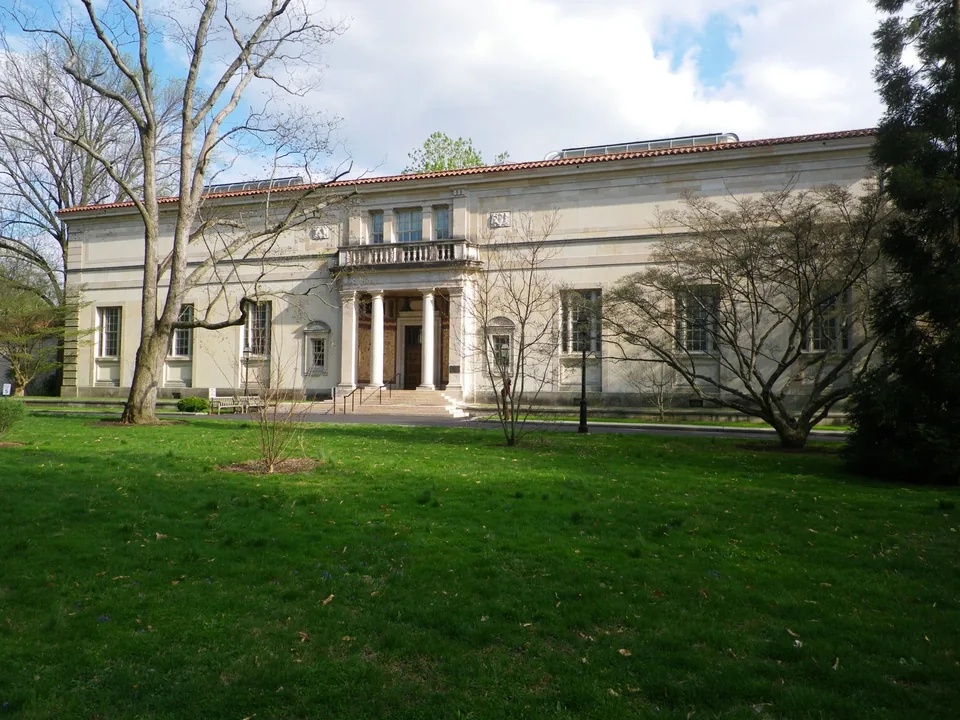
In 2012, the Barnes Foundation moved its 181 Renoirs, its 69 Cézannes, its 59 Matisses, its 46 Picassos, its 125 pieces of African sculpture, and its 887 pieces of wrought ironwork into a purpose-built building on the Benjamin Franklin Parkway in downtown Philadelphia. The new building is beautiful — light-filled and carefully designed, with galleries reconstructed to the exact proportions of the original rooms, measured, it is said, to within one-tenth of a millimetre. It is visited by hundreds of thousands of people each year who might never have made the journey to suburban Pennsylvania.
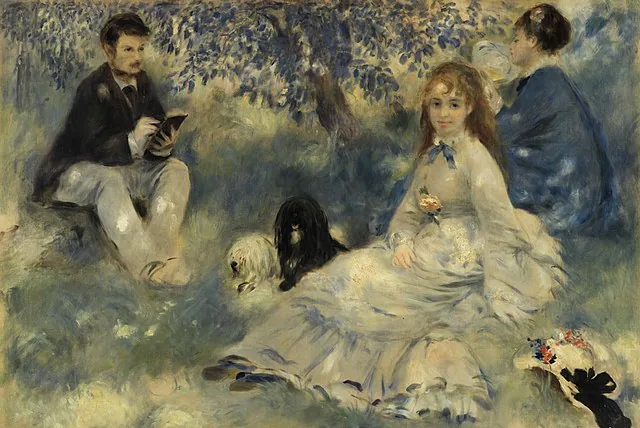
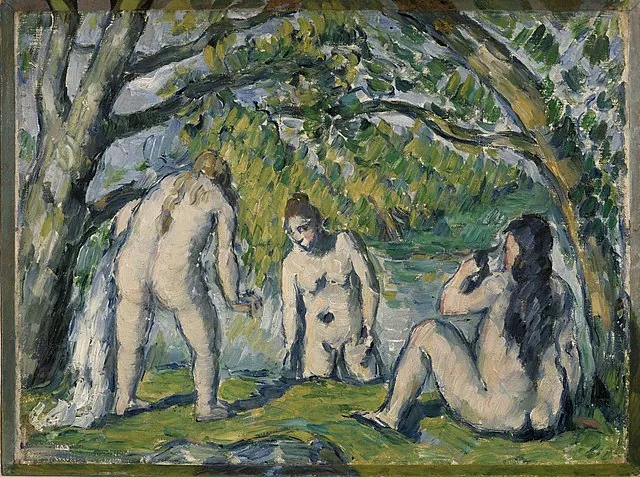
More people see the Barnes now than ever before. This is a genuine good, and it deserves to be said plainly.
And yet. Something was lost. And understanding what was lost requires going back to the beginning — to a boy from a part of Philadelphia that no one called beautiful, who grew up to build one of the most beautiful things in America.
I. The Boy from the Dumps
Albert C. Barnes was born in 1872, in a working-class neighbourhood of Philadelphia known, without much tenderness, as "the Neck" — or sometimes simply "the Dumps." His father had lost his right arm at the Battle of Cold Harbor in 1864 and received a disability pension of eight dollars a month. This is where Barnes began.
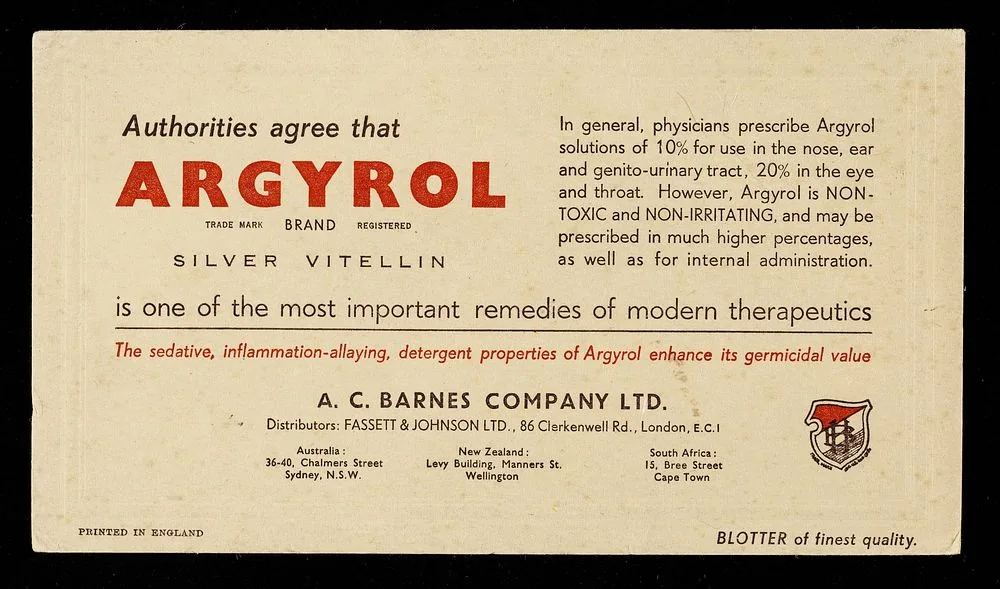
He was extraordinarily gifted, and he used it without apology. He worked his way through medical school by tutoring, playing semi-professional baseball, and boxing — graduating in 1892 at the age of twenty. He went to Germany, and by 1900 had earned a doctorate in pharmacology from the University of Heidelberg, where he also met a brilliant research chemist named Hermann Hille. The two came back to Philadelphia together and in 1902 launched a company built on a single formula: a silver compound that prevented eye infections and blindness in newborns. Sold throughout the world under the name Argyrol, it made Barnes a wealthy man within a decade — wealthy enough, by 1907, to buy out his partner and own the formula outright.
He could have done what wealthy men in Philadelphia were expected to do. He could have joined clubs, sat on boards, acquired the respectable paintings that other wealthy Philadelphians acquired, and been accepted, eventually, into the establishment he had clawed his way toward.
He did none of these things. He spent the money on Cézanne.
II. The Factory Lessons
Here is what happened next — and the sequence matters, because it is not what most people assume.
Barnes did not start with the collection and arrive at the philosophy. He started with the philosophy. Long before he had assembled the great collection, long before Merion existed, Barnes had already begun working out what art was for — and he was working it out on the factory floor.
In the early years of the twentieth century, while the money from Argyrol was accumulating and before he had made his first serious trip to Paris, Barnes began holding art appreciation lessons at his own pharmaceutical factory. Each day, for two hours, production stopped. His workers — many of them women, many of them African American, all of them people the cultural establishment of Philadelphia would never have thought to invite to a gallery opening — sat and looked at paintings and talked about what they saw. Barnes sat with them. He was not lecturing from above. He was looking alongside them, listening to what untrained eyes noticed that trained eyes had long since stopped seeing.
He was so serious about the experiment that he would sometimes stop a passing coal delivery driver in the street, bring him inside, sit him in front of a Cézanne, and simply ask: what do you see? The answer mattered. Barnes believed it might be more honest than anything a trained critic would say.
This was not philanthropy. It was philosophy.
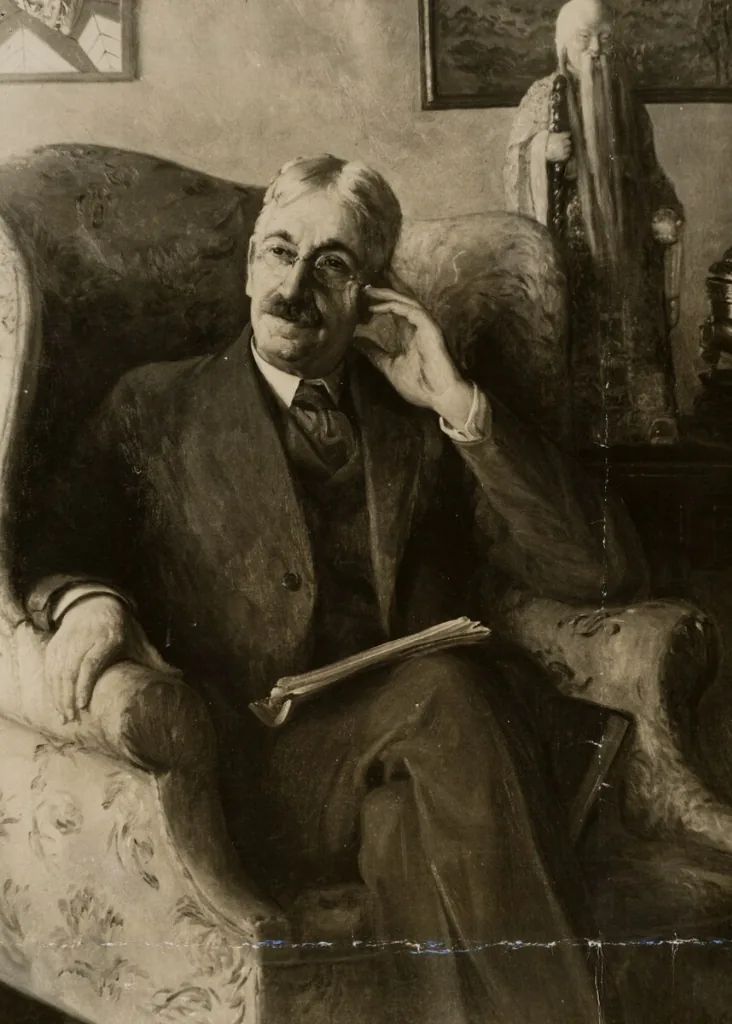
In 1917, Barnes enrolled in a graduate philosophy seminar at Columbia University taught by John Dewey — the great American educational reformer who believed that learning was inseparable from lived experience.
The encounter changed everything. The two became close friends for thirty years, shaped by a shared conviction that beauty was not the property of the educated class — that a factory worker who had never read a word of art history could stand in front of a painting and feel something genuine and true that no amount of critical vocabulary could either produce or replace.
He had the philosophy before he had the full collection. As it grew, so did what hung on the factory walls — real paintings, up to a hundred of them, surrounding the workers who looked at them every day.
III. The Year They Called It Trash
And then came 1923.
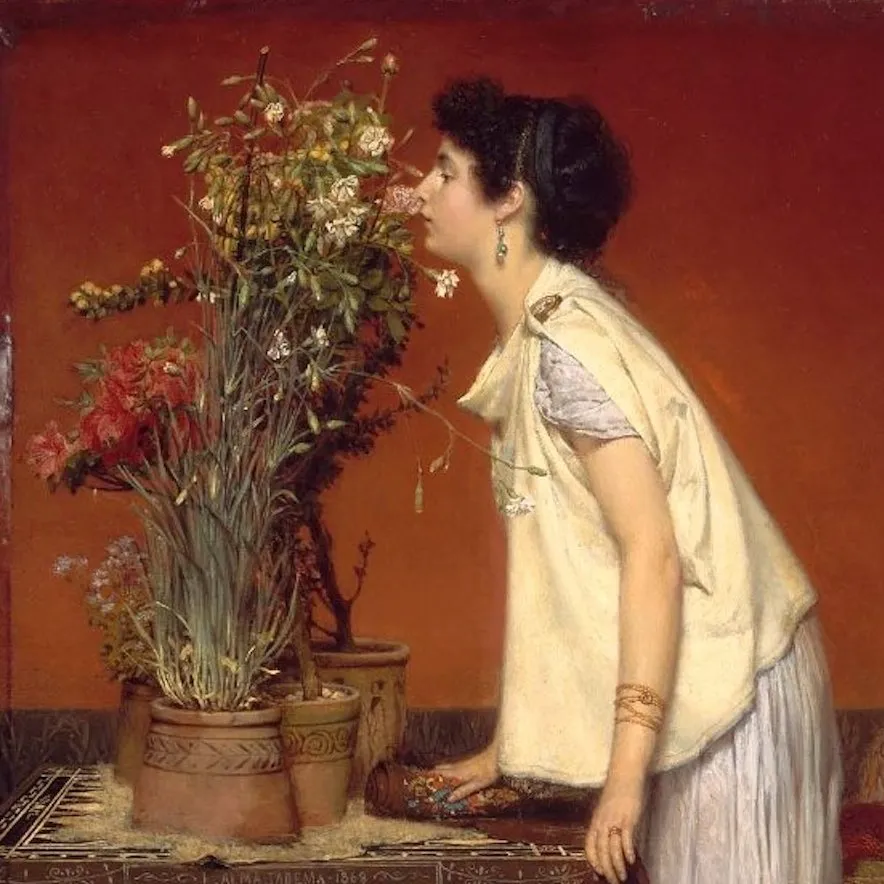
It helps to know where Philadelphia stood at that moment. The city was, artistically speaking, caught between two worlds. The Pennsylvania Academy of Fine Arts — the grandest cultural institution in the city — occupied a magnificent Victorian building, constructed in 1876, at the peak of exactly the kind of grand, technically accomplished painting that Sir Lawrence Alma-Tadema embodied. That building was a monument to a sensibility: that art should be beautiful, skilfully made, and reassuring.
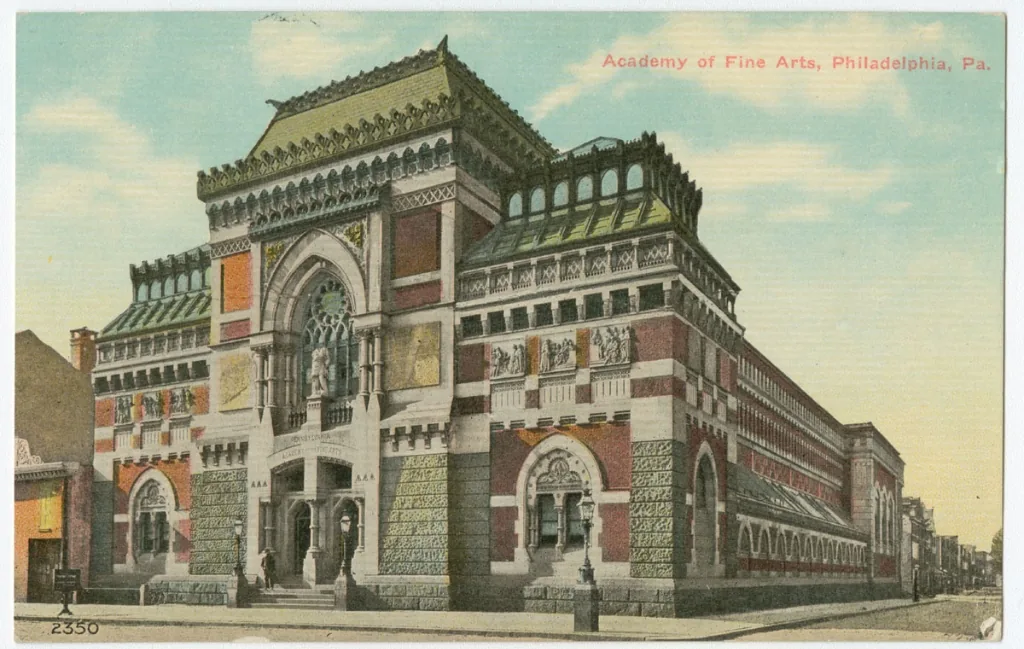
When Alma-Tadema died in 1912, London and Paris had already begun dismantling his reputation. The modernists had declared Victorian painting sentimental and moved on to Matisse and Picasso. There is something quietly poignant in the timing: one man's reputation was collapsing at precisely the moment Barnes was assembling the art that had replaced it. Tadema's canvases were being quietly removed from walls while Barnes was travelling to Paris to acquire the painters now considered his successors.
But Philadelphia had not moved with London and Paris. The city was still debating whether to let go of the Victorian world when Barnes arrived carrying canvases that were already two artistic generations beyond it.
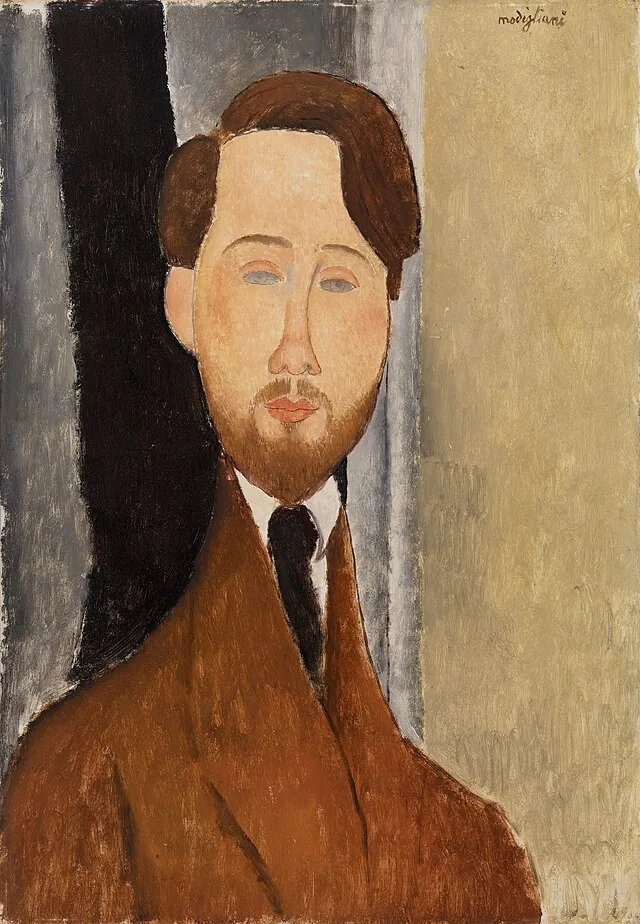
In early 1923, two sympathetic teachers at the Academy invited Barnes to show part of his collection publicly for the first time. Barnes was genuinely enthusiastic — he wrote beforehand praising Philadelphia for finally opening its doors to modern art. He brought seventy-five works: Matisse, Picasso, Modigliani, Soutine, sculpture by Lipchitz. Paintings that Paris already recognised as among the most significant of the century.
Philadelphia did not share Paris's opinion.
The Philadelphia Inquirer called the works "a series of seemingly incomprehensible masses of paint." Another paper declared them "immoral, destructive and dangerous." A doctor writing in the press compared them unfavourably to the drawings of psychiatric patients, and suggested legal action be taken to suppress the exhibition.
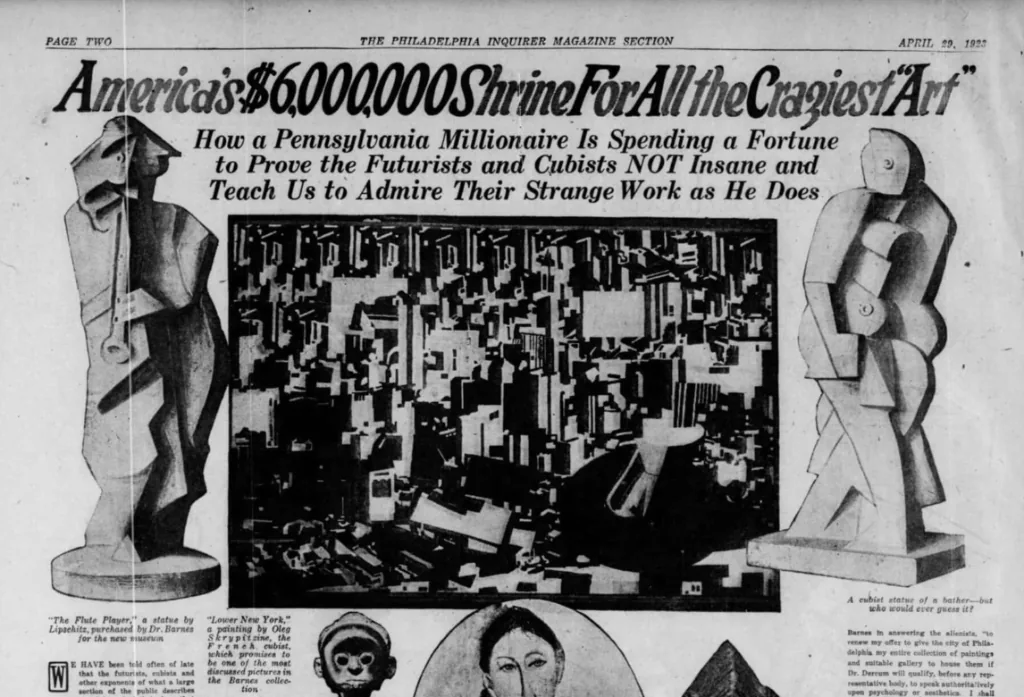
These were Matisses. These were Picassos. The collection that Philadelphia called dangerous in 1923 is today estimated to be worth in the region of twenty-five billion dollars.
Barnes never forgot. He never quite forgave. The walls he built around Merion — the locked gates, the restricted access, the elaborate rules about who could enter — were not eccentricity. They were the response of a man who had opened his hands and had them slapped. He had tried, once, to share what he loved with the city that had looked past him his whole life. The city had called it garbage.
He would decide, from that point forward, who came through the door.
IV. The Garden in Merion
The humiliation of 1923 did not stop him. He had already purchased the land.
In 1922 — while the Academy invitation was still being arranged, before the critics had written a single word — Barnes had quietly begun building the place he truly intended. Twelve acres in Merion, Pennsylvania, a quiet suburb full of trees and the kind of light that comes through old canopies of oak and maple in a way that never quite repeats itself. He kept the existing garden intact and commissioned an architect named Paul Philippe Cret to design a gallery within it. The Foundation officially opened in 1925 — two years after Philadelphia had called his collection garbage, and in deliberate defiance of everything that verdict represented.
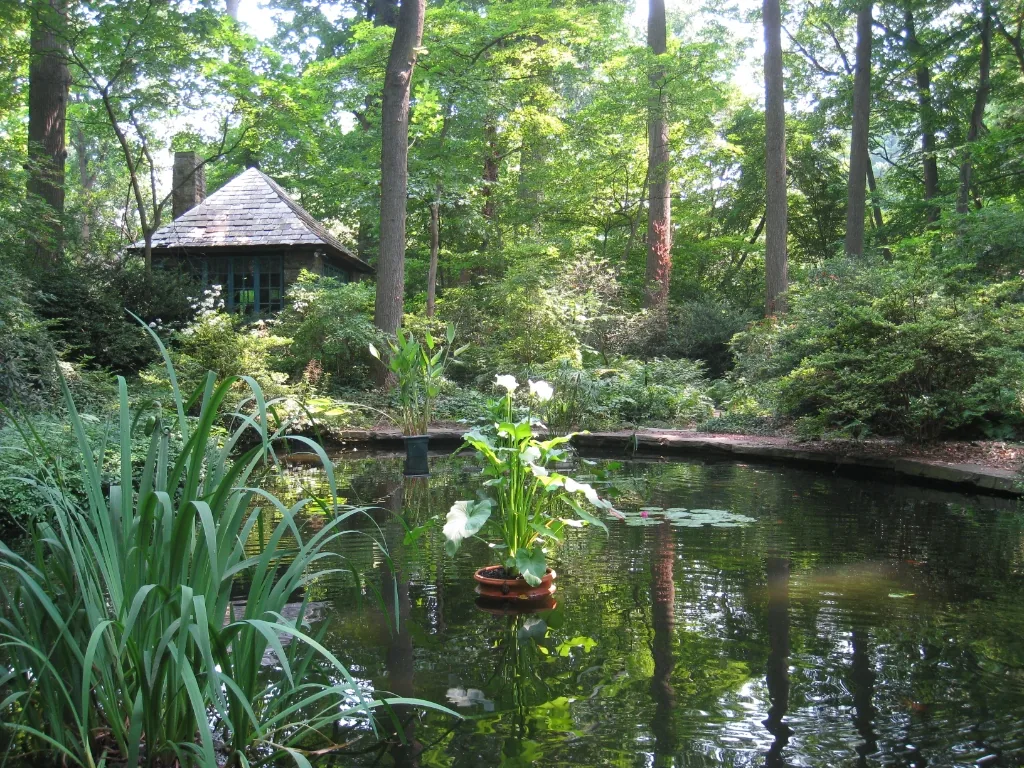
It was not the beginning of his thinking. It was the answer to it.
Every room in the gallery had either large windows or high windows near the ceiling to bring in natural light. Barnes understood what the Impressionists had understood — that a painting is a living thing, and that light is not a backdrop to the experience of seeing but the very substance of it. The rooms in Merion breathed. The paintings changed, as all paintings change, with every hour of the day and every season of the year.
But what Barnes did inside those rooms was the truly radical act.
He arranged his collection into what he called ensembles — a word that simply means things brought together as a whole. Each wall, each room, was a carefully constructed composition: paintings hung alongside African sculpture, ancient metalwork, Native American textiles, and pieces of decorative ironwork from Pennsylvania barns and farmhouses.
The logic was not historical or geographical. Barnes placed things together based on what they shared visually — a curve of line, a quality of light, a way of composing the human figure — regardless of where they came from or when they were made.
Imagine standing before one of these walls. A Renoir to your left — warm, the light on a woman's shoulder. Above it, an elaborate iron hinge from a barn door, black and precise. Below it, a small carved African face with a directness that the Renoir, for all its warmth, cannot quite match.
And all three things in conversation with each other — about the curve of a line, the weight of a presence, what it means to make something beautiful from raw material.
Barnes believed there was as much value in a door hinge as in a Renoir. The logic was not historical or geographical but purely visual — what do these things share? How does line speak to line, colour to colour, across centuries and cultures? This was not a casual opinion. It was the organising principle of everything he had built.
Henri Matisse, who had seen rather a lot of great art in his time, visited Merion and called it one of the most striking things in America. He was particularly scathing about everywhere else — other museums, he said, displayed their paintings "hypocritically in the mysterious light of a temple or cathedral."
Merion was the opposite of that. It was lit, inhabited, and alive. Barnes had commissioned him to paint a vast mural for the main hall — a dancing composition of figures rising above the windows like something between a celebration and a blessing. Matisse made it for those specific windows, that specific light, that specific room. You can still see it today in Philadelphia. But you can no longer see it where it was made.
V. The People He Let In — and Out
Access to Merion was famously, sometimes frustratingly, restricted. Barnes had built his Foundation as an educational institution — the direct heir of those factory lessons — not as a public attraction.
He was known to turn away prominent visitors: critics, socialites, the celebrated figures of Philadelphia society who had once looked past him and later, in 1923, called his collection garbage.
His rejection letters were sometimes signed not by Barnes himself but by his dog, Fidèle-de-Port-Manech. When T.S. Eliot wrote requesting admission, the reply came back in one word: Nuts. Signed by the dog.
It wasn't always about high principle. Barnes had been genuinely hurt, and some of his rules were simply a long memory of being mocked. But the core instinct was true: he had no interest in providing a backdrop for people who wanted to be seen appreciating art, rather than actually looking at it.
But here is what is less often noted. While Barnes was turning away the celebrated and the fashionable, he was welcoming students, teachers, and people with no credentials except genuine curiosity. He continued the spirit of the factory floor in the galleries. What mattered at Merion was never who are you but always what do you see.
The walls of his gallery were hung not to impress but to teach — to demonstrate, silently and powerfully, that seeing is a skill anyone can develop, and that the connection between a viewer and a painting is not earned through education or social standing but through time and attention.
He was building, in other words, exactly what he had been building since those first factory lessons. Just in a more beautiful room.
VI. The Will
Barnes died in the summer of 1951, killed when a vehicle ran a stop sign and struck his car. He was seventy-eight. He had spent his final years managing the Foundation, corresponding with John Dewey — who died the following year — and taking careful legal precautions against the thing he feared most.
His will was specific. The Foundation's founding documents stated that the paintings be kept in exactly the places they were — not approximately, not in the same general configuration, but exactly. Every arrangement fixed, every object on every wall, for as long as the Foundation should exist.
And in one final, quietly remarkable decision: Barnes left his Foundation to be administered by Lincoln University, a historically Black college in Pennsylvania, which would hold four of the five trustee positions. The stewards of his collection would be drawn from exactly the community that the cultural establishment had always assumed had no place in the conversation about art. The man who had started with factory workers stopped with Lincoln University in 1951. The arc was unbroken.
For a while, the arrangement held.
VII. Two Genuine Goods
What happened next is not a simple story, and it would be unfair to tell it as one.
The Foundation gradually ran into real difficulties. The building in Merion needed significant repairs. Funding was complicated by the access restrictions Barnes had built into his vision — limited hours, limited visitors, no commercial reproduction of images — which left the institution with fewer resources than it needed to sustain itself. These were not invented problems.
At the same time, there was a real argument made by people who truly cared about art: that one of the greatest collections in the world was essentially out of reach. It was a strange contradiction. Barnes had spent his life proving that art was for everyone—yet here it was, tucked away and hard to get to. If he really wanted art to belong to the people, shouldn't the people be able to see it?
The move was not a quiet transition. It was an institutional explosion that cost $150 million and required the alignment of Philadelphia's most powerful political and philanthropic forces. To some, it was a necessary rescue; to others, recounted in the 2009 documentary The Art of the Steal, it was a corporate heist that stripped the foundation of its soul. The courts eventually gave the green light, deciding that public access was more important than the specific, rigid instructions of a dead man's will.
Money of that scale—$150 million—doesn't just buy a building; it buys a new reality. The new space on the Benjamin Franklin Parkway was designed with incredible care—not as a standard museum, but as a near-perfect reconstruction of the Merion rooms, right down to the proportions and the way the sun hit the walls.
When it opened in 2012, many people who had known Merion visited and found it — not the same, but genuinely remarkable. The ensembles were intact. The Matisse mural sat above the windows in its original position. The iron hinges still hung alongside the Renoirs.
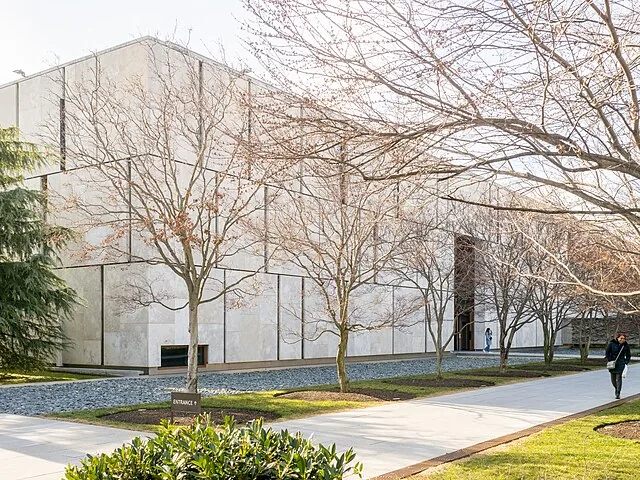
The question of whether Barnes would have recognised it as his — that is harder.
What he had built in Merion was not just a set of rooms with a set of arrangements. It was a specific place, grown slowly into its surroundings over twenty-five years, inseparable from the garden outside and the light of that particular patch of Pennsylvania. The vision and the place had become one thing. Moving the vision to a new building, however faithfully reconstructed, separated them.
This is not an accusation. It is a description of what was lost, alongside what was gained. Both are real.
One architectural critic who knew both buildings well put it precisely. As the architect and critic Stephen Rustow wrote in The Avery Review, the architects who designed the new Barnes gave an exquisitely sensitive answer to a question the Foundation should have had the courage not to ask.
The question they should not have asked was: how do we get more people in?
The moment that became the question, everything followed — the bigger building, the central location, the longer hours, the gift shop, the corporate events. All of it logical, all of it well-intentioned, all of it incompatible with what Barnes had actually built. Because Barnes's entire philosophy rested on the opposite premise: that genuine experience of art requires limits. Small groups. Slow looking. A specific place. The difficulty of getting there was not a flaw in the design. It was the design. You had to want it enough to go.
A braver institution, the argument goes, would have found a way to survive without asking that question — would have said: this thing works precisely because not everyone can come at once, and that is not elitism, it is the condition of its meaning. The question they should have asked instead was simply: how do we keep this alive as the specific, unrepeatable thing it is?
That question went unasked. And so Merion became Philadelphia, and the unrepeatable became, in the end, another museum on a boulevard of museums.
VIII. The Gardner Question
Think of Isabella Stewart Gardner for a moment. Her story is a kind of mirror to his.
Gardner built her collection in Boston — Titian, Rembrandt, Botticelli, Sargent — and arranged it in a building modelled on a Venetian palace, with a central courtyard garden open to the sky. Her will, like Barnes's, specified that nothing be moved or altered after her death. Unlike Barnes's will, Gardner's has been substantially honoured. The collection remains in its original building in Boston, the arrangements largely intact.
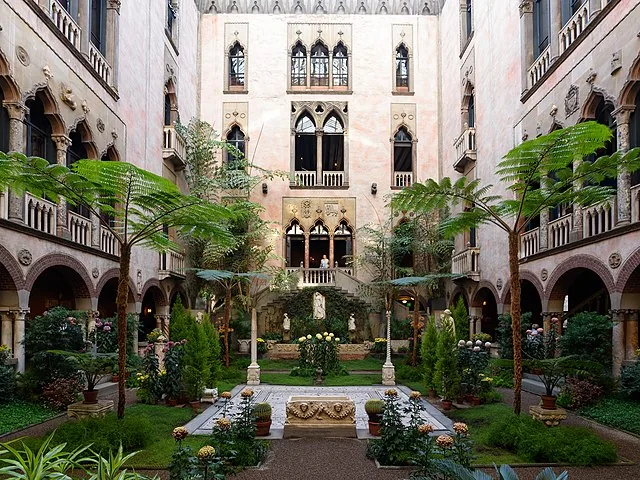
Why did Gardner's will hold when Barnes's did not?
Part of the answer is legal. Gardner's will contained a provision that Barnes's lacked: if the terms were violated, the entire collection was to be liquidated, with the proceeds going to Harvard University. This is a considerably more powerful deterrent. Nobody wanted to be responsible for dispersing one of the great art collections of America into a university endowment.
But part of the answer is also social. Gardner was, whatever her independent spirit, part of the Boston establishment. She gave her collection to the city she loved. There was no adversarial history to resolve, no old wound, no decades of conflict between Gardner and the cultural institutions of her city. She and her collection were welcomed.
Barnes had fought his city for most of his adult life. The institutions he resisted outlasted him, and when the legal opportunity arose, made a different decision.
Neither was simply right or wrong. But the difference in outcome tells something important about the relationship between a collector's vision and the society that eventually inherits it.
A footnote worth adding: even Gardner's will was not entirely immune. In 2012 — the same year the Barnes moved downtown — the Gardner Museum opened a new wing alongside the original building. The trustees acknowledged this technically violated her instructions but deemed it necessary for the Foundation's survival. The original collection remained untouched. But the principle that a will can be reconsidered when circumstances require it: that applied in Boston too, just more gently.
IX. The Lesson of the Hinge
Barnes spent his life making one argument. Underneath the combativeness and the locked gates and the factory lessons and the carefully written will, it was simple.
Art is not a spectacle. The relationship between a human being and a painting is personal, specific, and slow — it develops through return, through seeing the same things in different lights and different moods and different years of a life. It cannot happen in ninety minutes with a map of the galleries. It cannot happen in a crowd.
The hinge is where it becomes concrete.
In his collection, a Van Gogh hangs beside a kitchen spatula; a Picasso stays company with a yarn spinner. To Barnes, the blacksmith who added a curve to a door hinge—a beauty it did not need to function—was working in the same spirit as Matisse.
He stopped his factory machines because he knew that really seeing takes time that most of us are told we cannot afford. He built his gallery in a garden because a painting is changed by the room it lives in, the light that reaches it, and the objects it keeps company with.
Making something beautiful isn’t a luxury. It belongs to the blacksmith as much as the painter. It belongs to anyone who holds a frame against a wall, testing the light, before committing. It belongs to anyone who lets it.
The collection was moved. The vision was not.
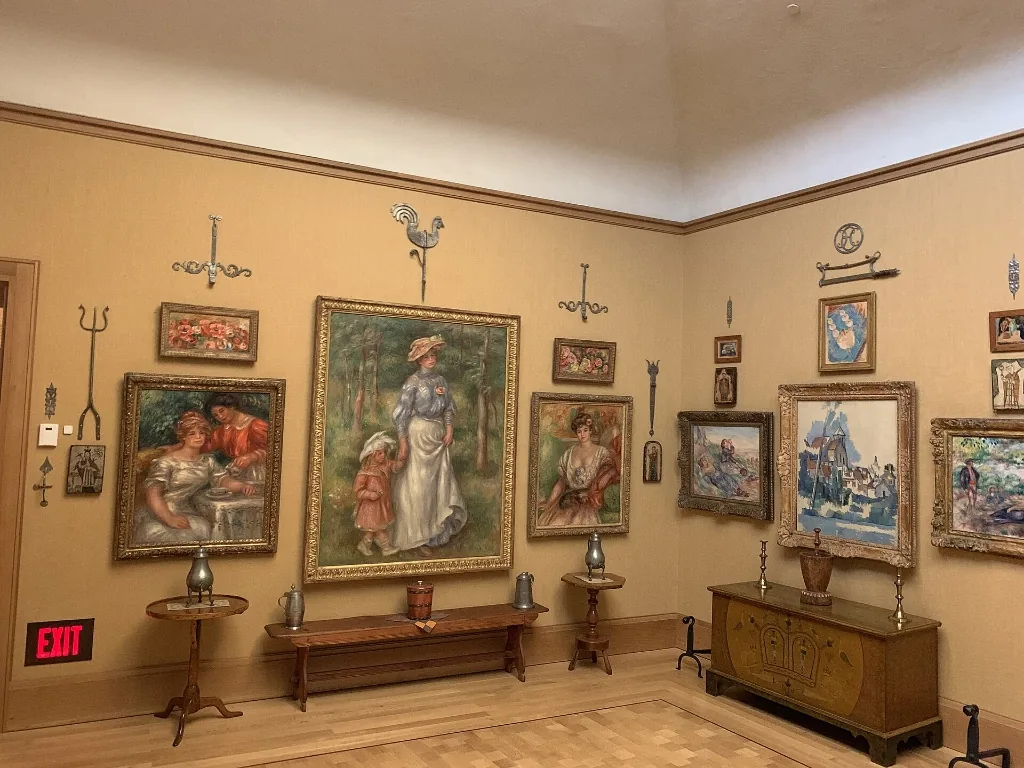
Merion remained out of reach for most. But the idea travels—the argument of a man who fought to leave his vision intact. It finds anyone standing before a painting, taking the time to actually look.
This is the philosophy that brings Alma-Tadema back: that beauty is personal, belonging to the viewer and not the institution. Both men were on the same side; they just didn't know it yet.
This isn't nothing. It may be everything.
Alma-Tadema never met Albert Barnes. But they were asking the same question: not where art should be kept, but where it should live.
✦
Leave a Visiting Card
Consulting the visiting cards...