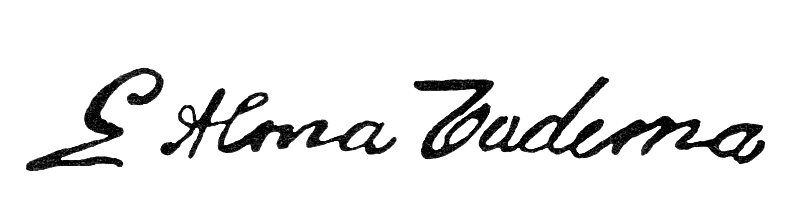
The Pile of Photographs
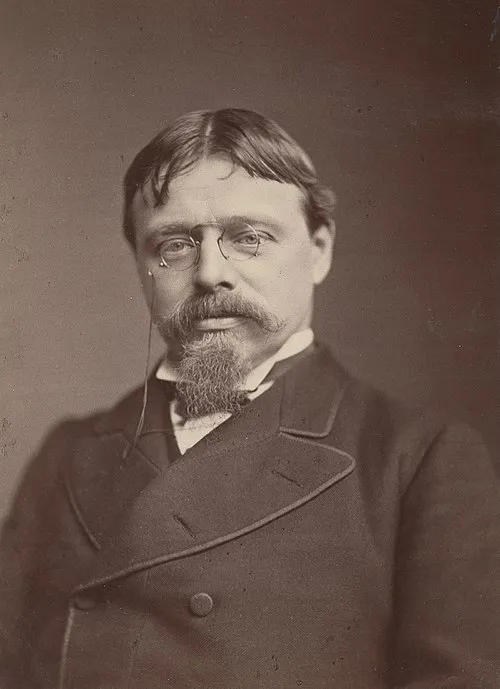
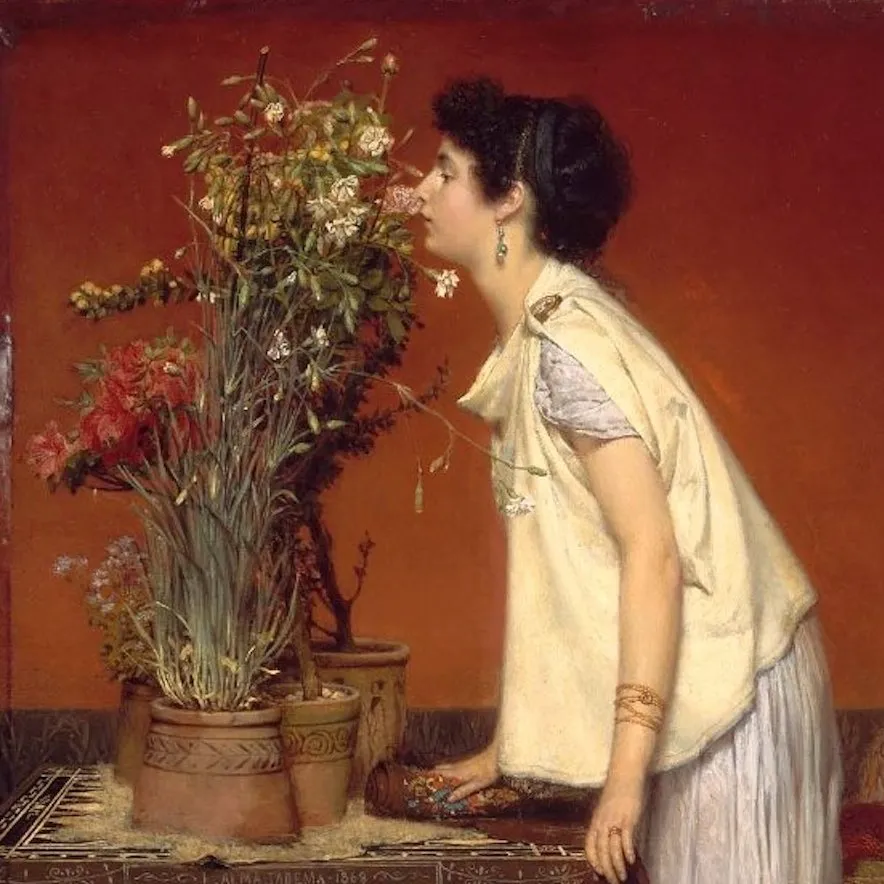
London, 1899. A journalist visits Sir Lawrence Alma Tadema in his marble studio.
On a seat near the window sits a pile of large photographs. Drawings of Rome. Reference images for his latest painting, The Baths of Caracalla.
The journalist notices them. Alma Tadema does not hide them.
He speaks plainly: "Photography is a great boon undoubtedly to the artist of to-day who has any concern for accuracy in details."
This is not a confession. It is a statement of fact.
But in 1899, it is also radical.
The Fear
Photography had been invented sixty years earlier, in 1839. We think of the war between "Real Art" and "Cheat Machines" as a modern problem. But in 1839, the arrival of the daguerreotype triggered an almost identical panic.
When the first daguerreotypes appeared in Paris, the painter Paul Delaroche is said to have declared: "From today, painting is dead!"
Portrait painters panicked. If a camera could capture a face in minutes, why would anyone pay for a painted portrait?
Academic painters dismissed photography as mechanical. Not art. Just chemistry and optics.
The Royal Academy debated whether photographers were even artists at all.
For decades, many painters used photographs in secret. They traced from them. They studied them. But they did not admit it.
To use photography was to admit you could not draw.
It was shameful.
The Secret Users
Eugène Delacroix used nude photographs for his figure studies. He never mentioned it publicly.
Gustave Courbet traced from photographs. The scandal came later, when people found out.
The Pre-Raphaelites—Rossetti, Millais, and others—used photos for costumes and poses. But they called them "reference," not art.
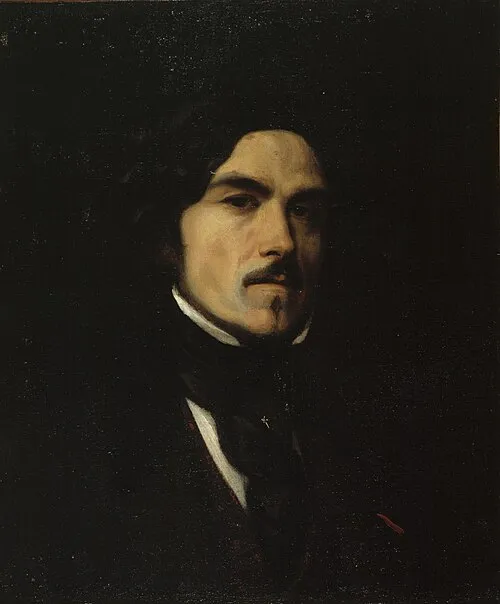
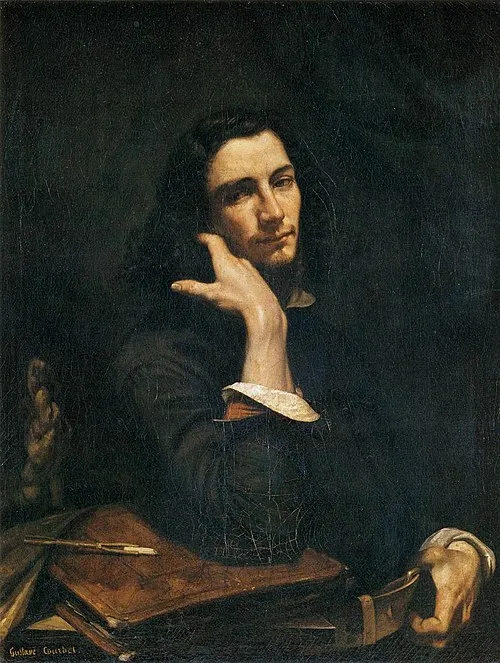
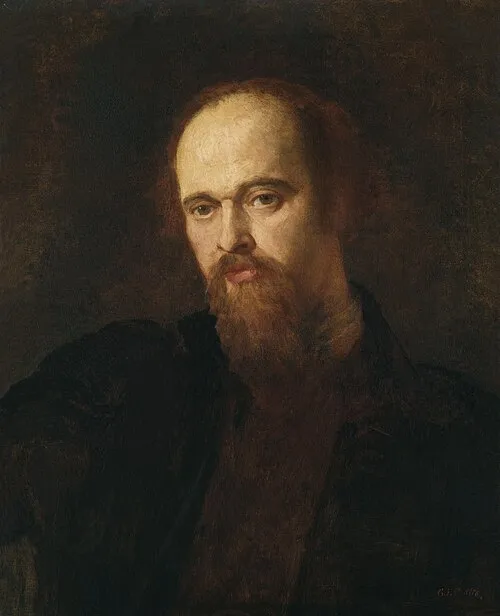
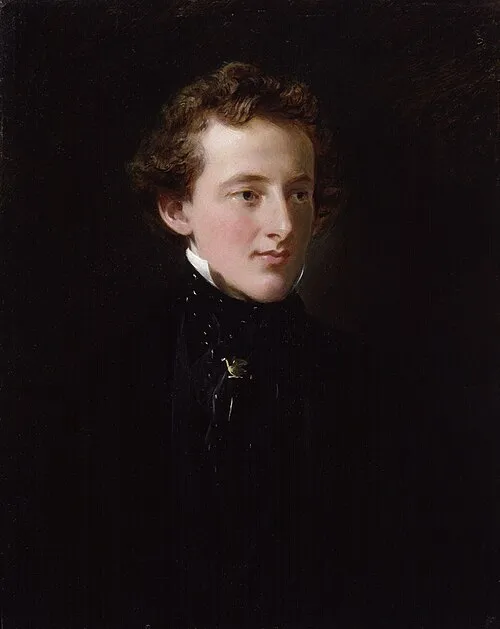
Even those who embraced photography often did so quietly.
The shame lingered.
The Progressives
But some artists refused to hide.
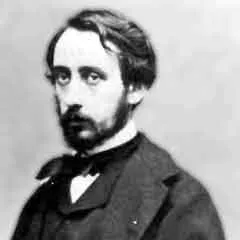
Edgar Degas openly used photography. He even took his own photographs. When critics complained, he shrugged. "It is just another tool, like a brush."
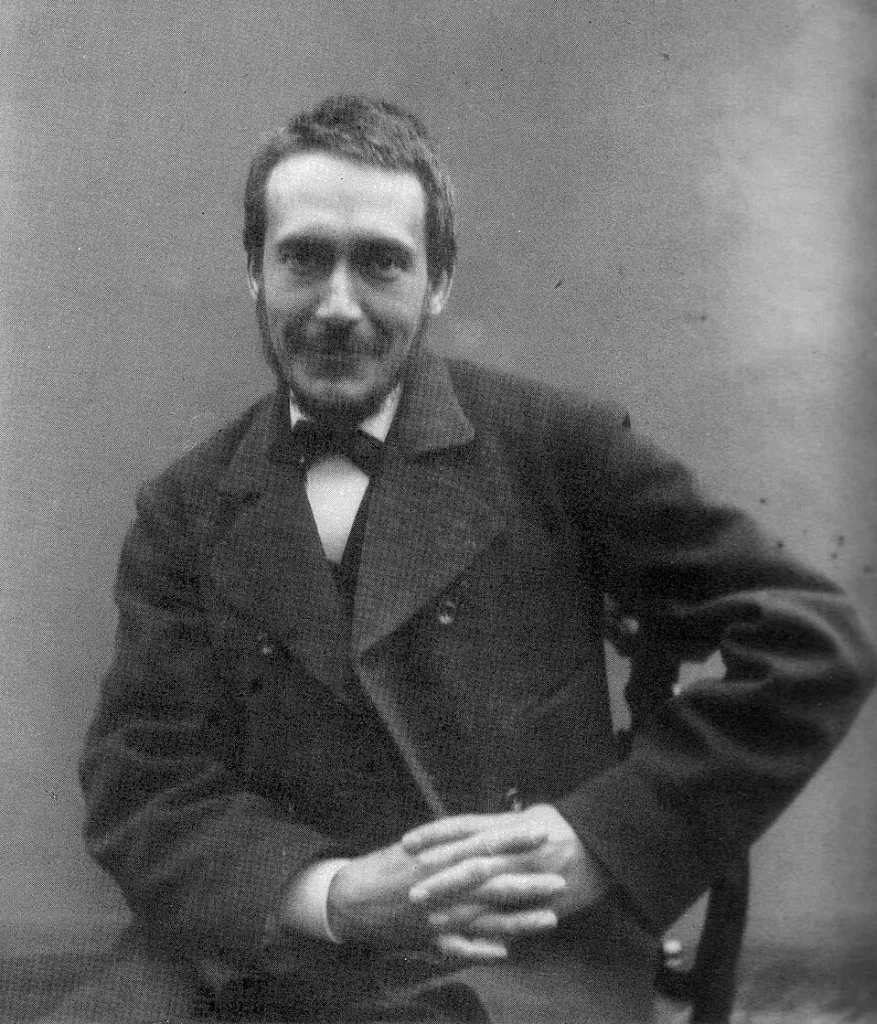
Thomas Eakins, the American painter, taught his students to use photographs. He studied Eadweard Muybridge's motion studies—images of horses running, people walking. "Why guess," he said, "when you can know?"
And then there was Alma Tadema.
A pile of photographs. In plain sight. No apology.
"A great boon," Alma Tadema said.
What Photography Actually Did
Photography did not kill painting.
It changed it.
When cameras could capture reality perfectly, painters were freed from the burden of realism. They could explore light, color, emotion.
The Impressionists—Monet, Renoir, Pissarro—painted what a camera could not: the feeling of a moment. The shimmer of water. The warmth of sunlight.
Photography also taught painters new ways of seeing. Cropped compositions. Unusual angles. Motion frozen in time.
And yes, photography took over the portrait business. But that pushed painters toward abstraction, toward new subjects, toward new questions.
Art did not die. It evolved.
The Pattern
This was not the first time artists feared a new tool would destroy their craft.
It was not the last.
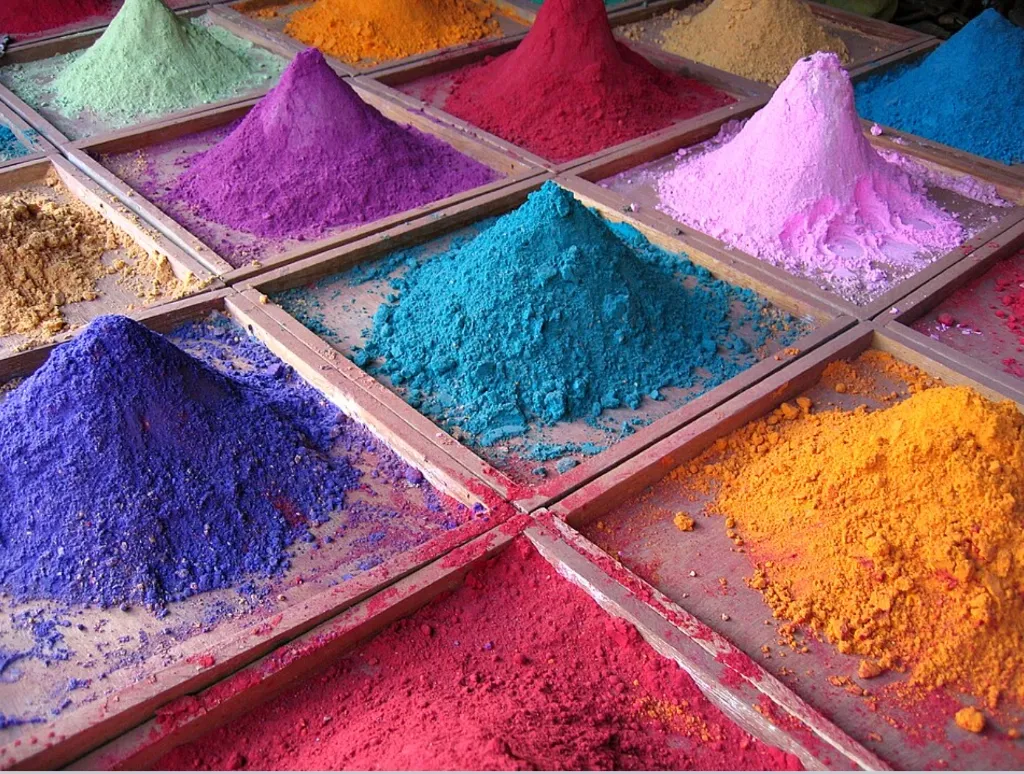
Oil Paint (15th Century)
When oil paint was introduced, tempera painters worried it was too easy. "Anyone can blend colors now," they complained. "Where is the skill?"
But oil paint did not replace tempera. It expanded what was possible.
Deeper colors. Subtle gradations. Glazing techniques.
It enabled the Renaissance.
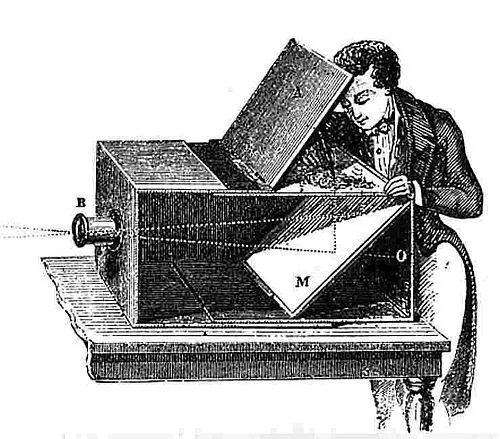
The Camera Obscura (16th-18th Century)
For centuries, artists used the camera obscura—a box with a lens that projected an image onto a surface. It helped them achieve perfect perspective.
But they kept it secret. Using an optical device was considered cheating.
Vermeer used it. So did Canaletto. Today, no one questions whether they are "real artists."
The tool did not diminish their vision. It enabled it.
Printmaking (15th-19th Century)
When printmaking allowed images to be reproduced, critics worried it would devalue original art. "If everyone can own a print, who will buy paintings?"
But mass reproduction did not destroy the market for originals. It created a new market.
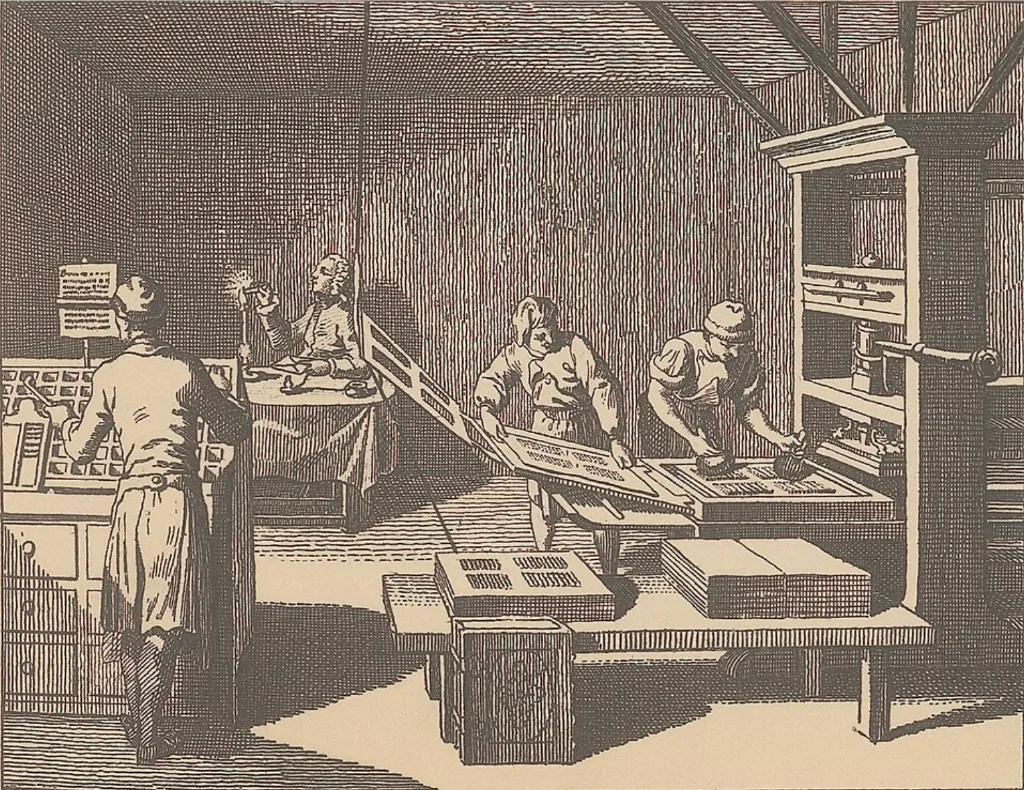
Art became accessible to the middle class. Dürer, Rembrandt, and Goya became masters of the "mechanical" medium.
And original paintings became more valuable, not less. Scarcity increased their worth.
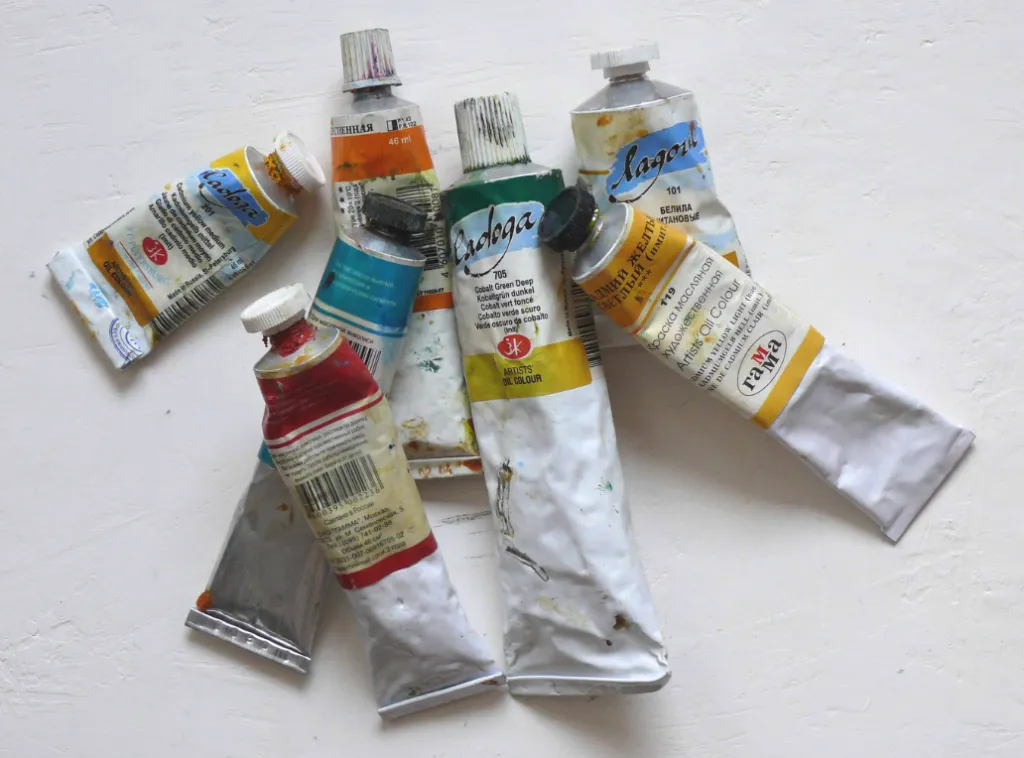
Tube Paint (1841)
Before tube paint, artists had to grind their own pigments. It was time-consuming. Messy. But some believed it was necessary.
When pre-mixed paint in tubes became available, purists complained. "Real artists grind their own pigments."
But tube paint did something revolutionary. It let artists leave the studio.
They could paint outdoors. They could capture the changing light of a single afternoon.
Without tube paint, there would be no Impressionism.
Monet. Renoir. Pissarro. All of them painted en plein air—in the open air—because of a tool that was once dismissed as lazy.
Acrylic Paint (1950s)
When acrylic paint was introduced, oil painters called it "plastic paint." It was not real art, they said. It dried too fast. It was for commercial artists, not fine artists.
But acrylic became the medium of choice for some of the greatest modern artists.
Rothko. Hockney. Warhol.
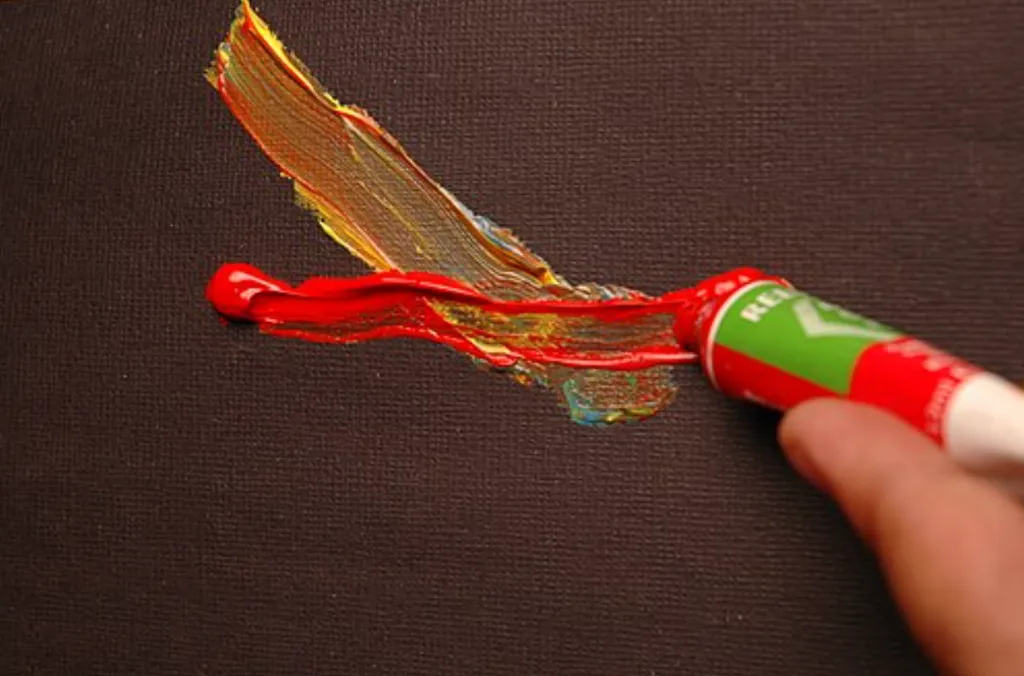
It did not replace oil. It gave artists more options.
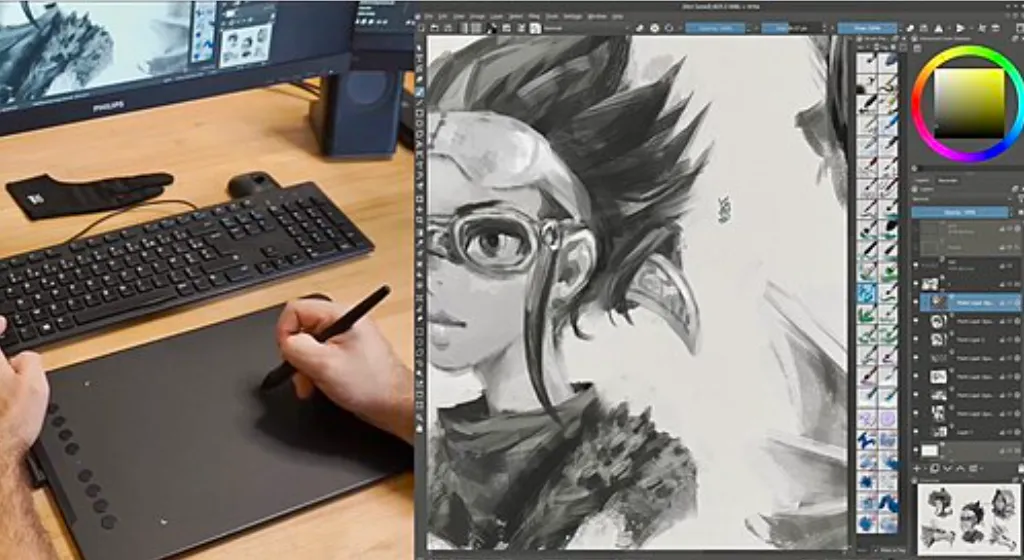
Photoshop and Digital Art (1990s-2000s)
When digital art emerged, traditional painters dismissed it. "Digital art is not real art," they said. "The undo button means no skill is required."
Digital artists were shamed. Told they were not real painters.
But digital tools created entirely new art forms. Concept art. Matte painting. Digital illustration.
Traditional artists began adopting digital tools. Museums began collecting digital art.
The fear faded. The tools became normal.
The Pattern Repeats
Every time, the cycle is the same.
A new tool appears. The establishment panics. "This will kill art!"
Early adopters are shamed. "You are cheating."
The tool becomes normal. The next generation does not even question it.
Art changes. It does not die.
New movements emerge.
And then the cycle begins again.
The Modern Echo
Today, we are having the same conversation about artificial intelligence.
"AI will kill art!" some say.
Artists are divided. Some call AI theft. Some call it a tool, like Photoshop, like photography.
Some artists use AI but do not admit it. The shame is still there.
The question is still the same: What is "real" art?
But we have been here before.
Six times. Seven times. More.
Every time, the fear feels new. Every time, it is the same.
The Lesson from Alma Tadema
Tools do not replace vision. They expand it.
Photography did not kill painting. It freed it.
Alma Tadema used photographs for accuracy. He studied the architecture of Roman baths. The texture of marble. The way light fell on water.
But the photographs did not paint the picture.
They showed him what a Roman bath looked like. But only Alma Tadema could paint the mood. The light. The story.
The tool gave Alma Tadema knowledge. His vision gave it meaning.
The Pile of Photographs
Return to that studio in 1899.
A pile of photographs on a seat. No hiding. No shame.
Alma Tadema does not apologize. He does not make excuses.
"A great boon."
He knows what the photographs are. They are tools. They help him see.
But they do not see for him.
The future of art has always been built by those who embrace the tools of their time.
Not because the tools are magic. But because the tools are useful.
And in the hands of someone with vision, useful things become beautiful.
A Final Thought
The next time someone tells you a new tool will kill art, remember the pile of photographs.
Remember the tube of paint. The camera obscura. The oil pigment. The printing press.
Remember that every generation has feared the same thing.
And every generation has been wrong.
Art does not die when the tools change.
It changes. It grows. It finds new ways to speak.
The question is not whether the tool is "real."
The question is: What are you trying to say?
And no tool, no matter how powerful, can answer that for you.
Leave a Visiting Card
Consulting the visiting cards...