
There is a comforting lie we tell ourselves about the history of art trends. We like to think that history is a ladder—that we started as cavemen drawing stick figures, and then we learned to paint better and better, until we reached the top. We think taste is a destination.
But history is not a ladder. It is a pendulum.
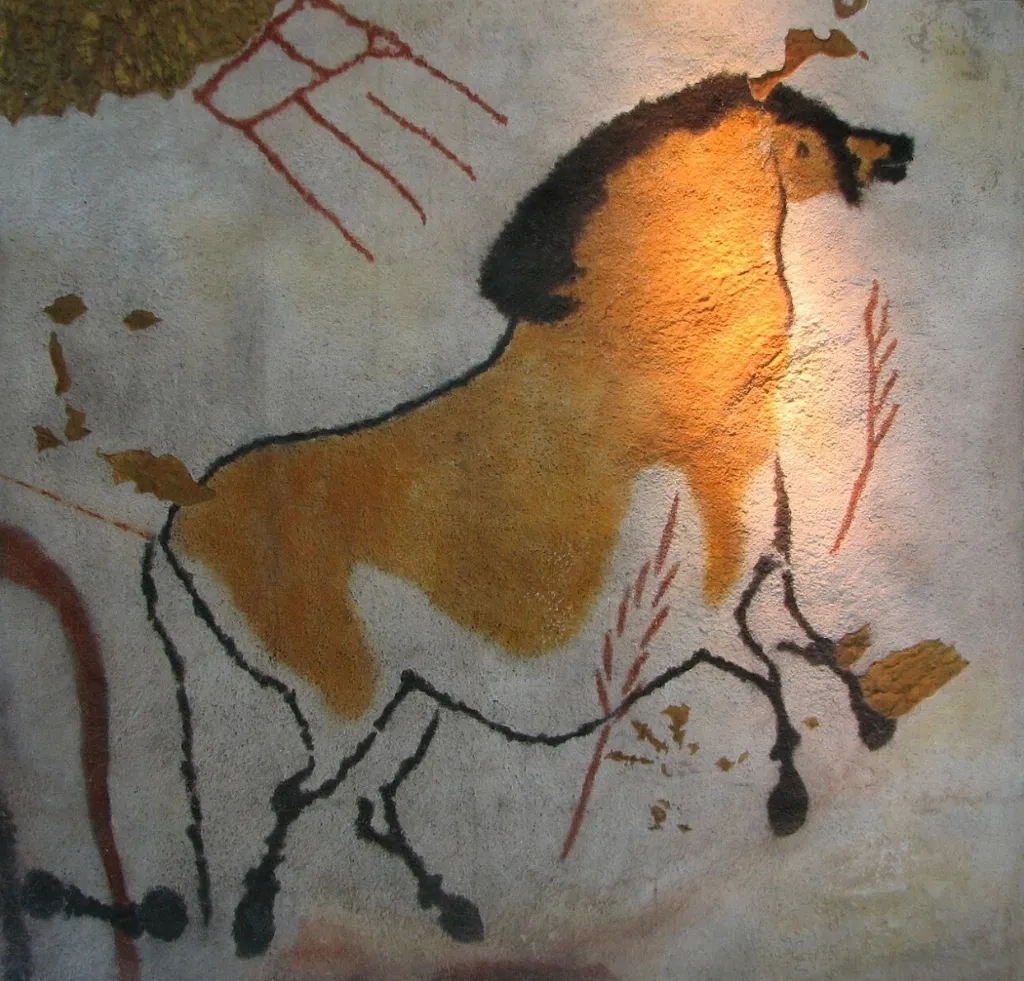
Stand in a museum long enough, and you will feel the breeze as it swings past you. For two thousand years, humanity has been locked in a rhythmic, eternal war between two desires.
The first desire is for the Body. We want to see the world as it is—the sweat on the brow, the light on the grape, the vein in the hand. We want Realism. We want to hug the earth.
The second desire is for the Soul. We get tired of the mess of the body. We get tired of the rotting fruit and the dying men. We want to escape. We want clean lines, pure colors, and things that don't exist in nature. We want Abstraction. We want to touch the sky.
To understand why Sir Lawrence Alma-Tadema was worshipped in 1890 and thrown in the trash in 1920, you don't need a degree in art history. You just need to watch the pendulum swing.
Let us take a walk.
I. The First Realism: When Stone Learned to Breathe (500 BC – 400 AD)
We begin in the sunlight of ancient Greece.
Before the Greeks, art was stiff. If you look at the statues of ancient Egypt, they are magnificent, but they are frozen. Pharaohs stand with their feet glued to the ground, arms at their sides, staring straight ahead for three thousand years. They are not men; they are monuments.
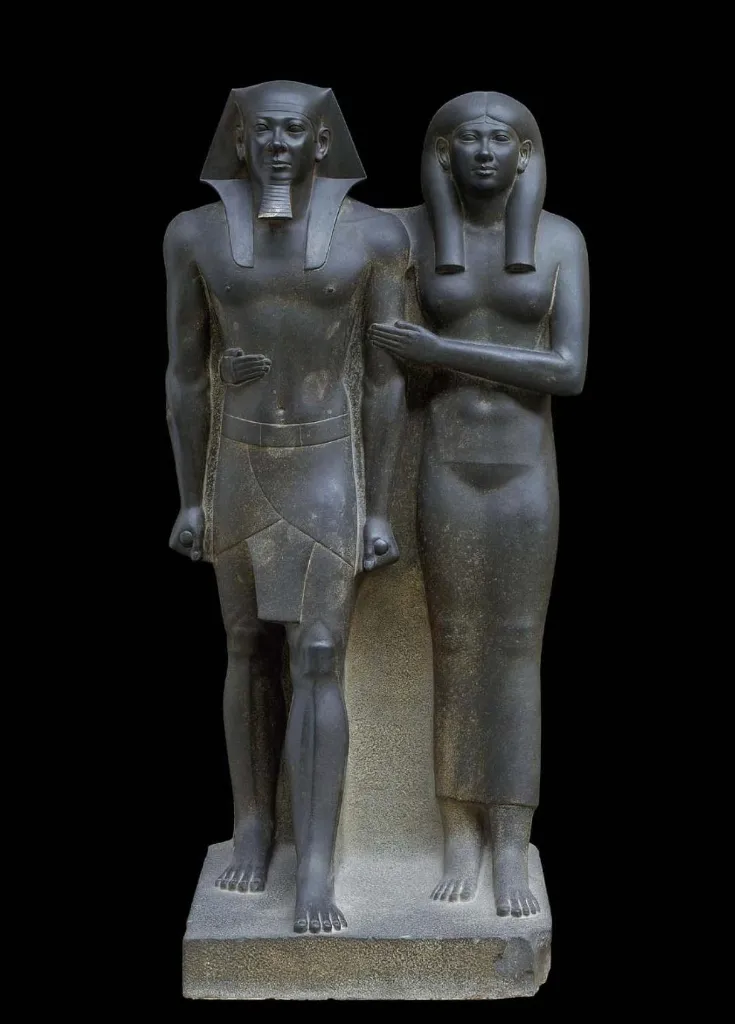
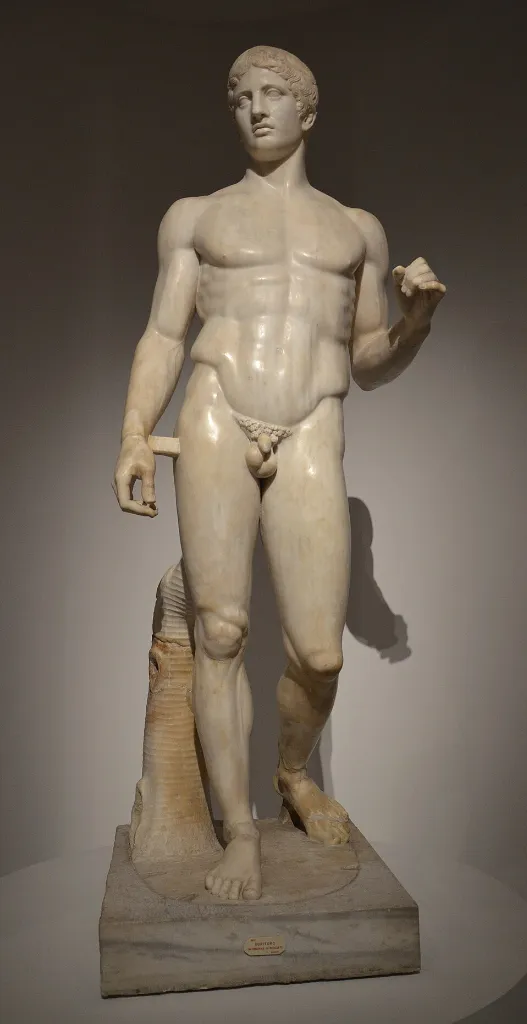
Then, somewhere around 480 BC, a Greek sculptor did something that changed the human mind forever. He told his statue to relax.
He shifted the weight of the stone figure onto one leg. The hip dropped. The knee bent. The spine curved in a gentle 'S'.
It seems like a small thing, but it was a revolution. Suddenly, the stone wasn't just standing; it was being. It had a pulse.
For the next few hundred years, the Greeks and then the Romans became obsessed with this "Living Stone." They didn't just want art; they wanted a mirror. They scrutinized the human body with the intensity of lovers and surgeons. They carved the tiny crinkles of skin around the knuckles. They carved the way a toga sticks to a sweaty thigh.
By the time of the Roman Empire, Realism was the god. If a Senator had a wart on his nose, the sculptor carved the wart. If an Empress had a double chin, the marble had a double chin. To show the world exactly as it was—flaws, sweat, gravity and all—was considered the highest form of truth.
The pendulum was all the way to the side of the Body.
II. The First Abstraction: The Flight to Heaven (500 – 1400 AD)
And then, the world broke. To understand the history of art trends, we must look at the moments when civilization collapses.
Rome fell. The aqueducts crumbled, the libraries burned, and the safety of the Empire was replaced by the chaos of the Dark Ages. Life became short, brutal, and terrifying.
Suddenly, nobody wanted to look at the "Real World" anymore. Why would you want a realistic painting of an apple when you were starving? Why would you want a realistic statue of a man when men were killing your family?
The early Christians looked at those Roman statues—all that naked muscle, all that heavy flesh—and they recoiled. They didn't see beauty. They saw sin. They saw the "World of Man," and the World of Man was a nightmare.
So, they smashed the idols. And they pushed the pendulum with all their might toward the Soul.
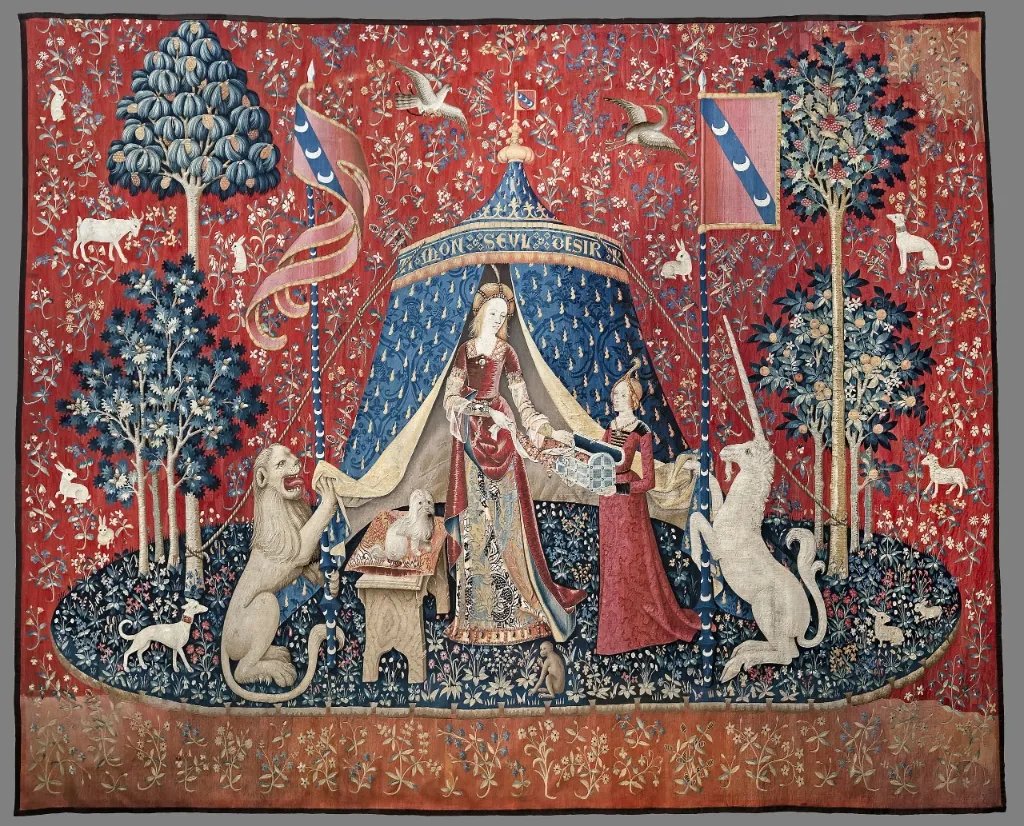
For a thousand years, Realism died. We often say the artists of the Middle Ages "forgot" how to paint perspective, but that isn't quite fair. They didn't want perspective. Perspective is the view from a human eye, and they weren't interested in human eyes. They were interested in God's eye.
They replaced the blue sky with flat, burning gold. They replaced the heavy, muscular bodies with floating, weightless spirits. They stopped painting what things looked like and started painting what things meant.
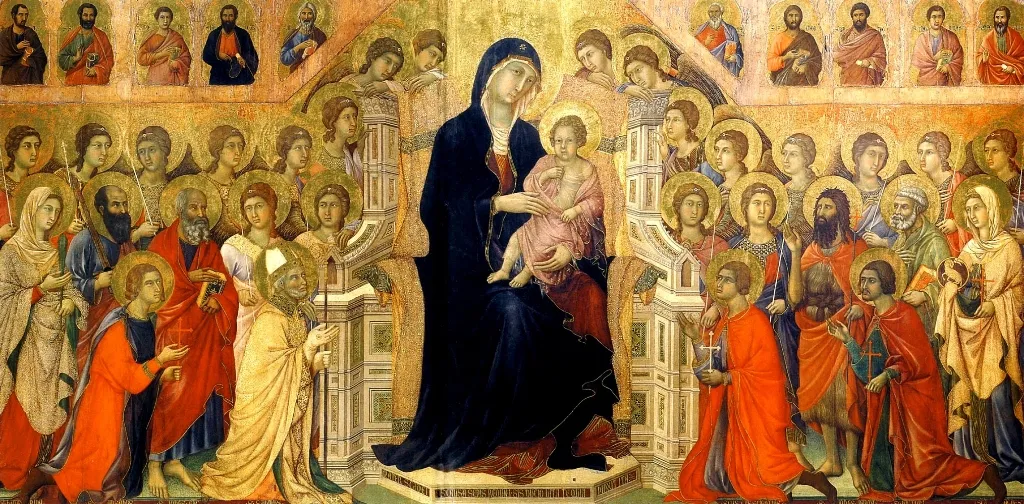
If a King was standing next to a Servant, the artist didn't paint them the same size because they were the same distance away. He painted the King huge and the Servant tiny, because the King was more important.
This was the first great age of Abstraction. They rejected the material world in favor of a spiritual diagram. They flattened the world to save it.
III. The Return of the Flesh (1400 – 1600 AD)
But you can only live in the sky for so long.
Eventually, the plague passed. The cities grew rich again. Men started to read the old books. And slowly, humanity looked down at its own hands and remembered: We are here. We have bodies. And they are beautiful.
The Renaissance wasn't just about better paint. It was a philosophical U-turn. It was the moment the pendulum slammed back toward the Body.
Think of Michelangelo. He wasn't interested in floating spirits. He was obsessed with the machinery of life. He dissected corpses in candlelit basements just to see how a bicep connected to a shoulder. When he carved David, he didn't carve a god; he carved a terrified teenage boy with adrenaline pumping through his veins.
You can interpret David as a religious statue, but look at his right hand. Look at the veins bulging under the marble skin. That is not a spiritual abstraction. That is the biological truth of a human being about to fight for his life.
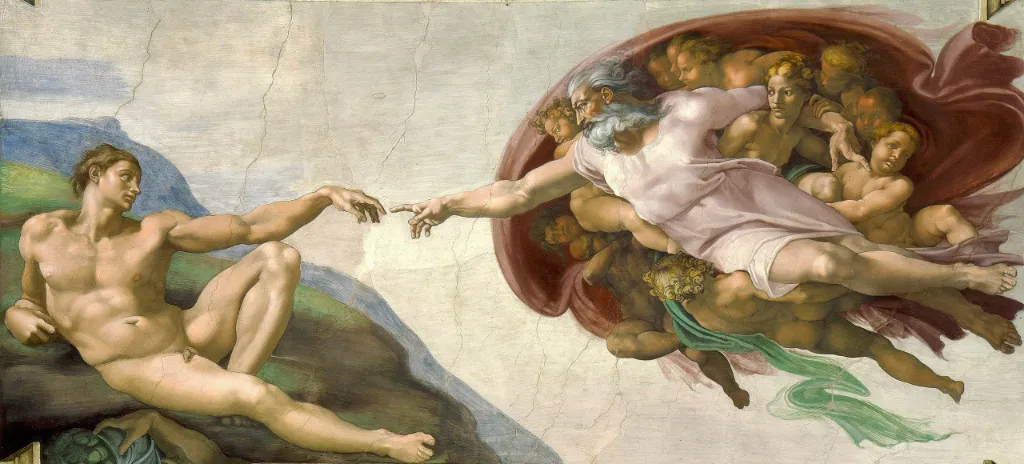
We fell in love with weight again. We fell in love with shadow, with distance, with the feeling of space. We invited the world back in.
IV. The War of Sugar and Stone (1700 – 1850)
By the 18th century, we had become so good at Realism that we started to play with it. We got bored of heavy truths. We wanted dessert.
This was the era of the Rococo. Think of Marie Antoinette. Think of paintings full of pink dresses, flying cupids, and garden parties. It was art as candy. It was delightful, expensive, foam. It was the "Instagram Influencer" era of history—everything was soft, filtered, and completely unserious.
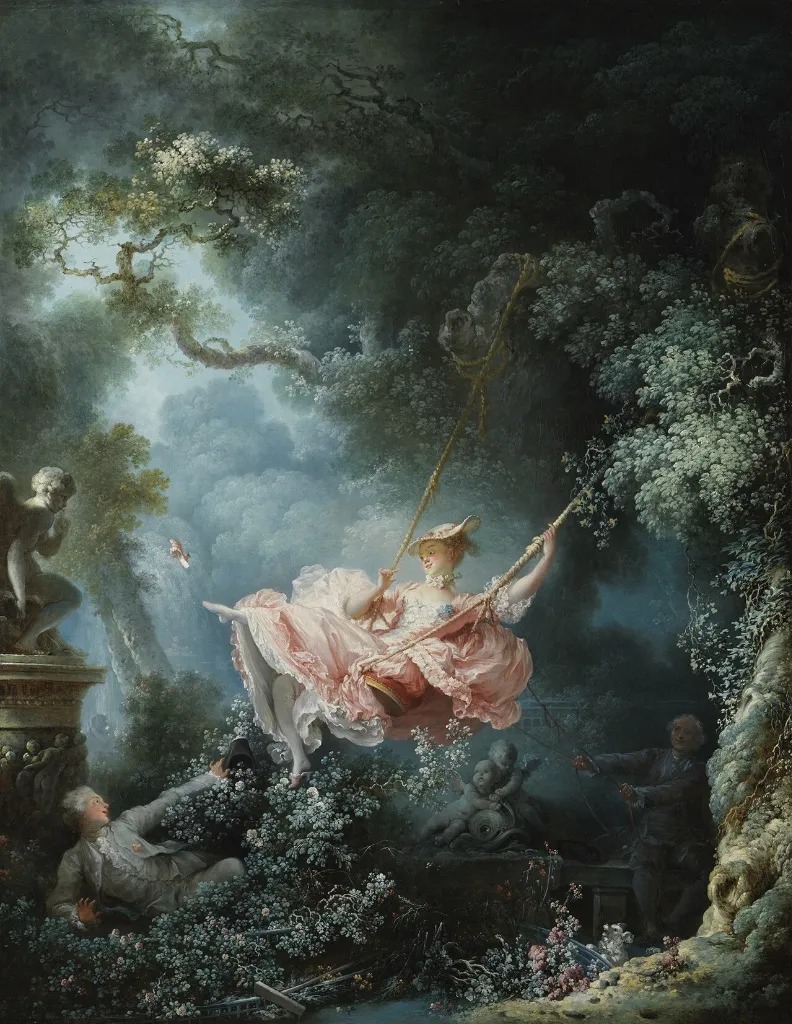
And just as night follows day, the reaction came. The party ended.
The French Revolution exploded, and the guillotine came down on the pink dresses. The new artists—the Neoclassicists—looked at the Rococo and felt sick. They decided that art should not be about pleasure; it should be about Duty.
They went back to the Romans (again). They painted men with straight backs, holding swords, weeping stoically. No more fluff. No more pink. Sharp lines. Moral clarity.
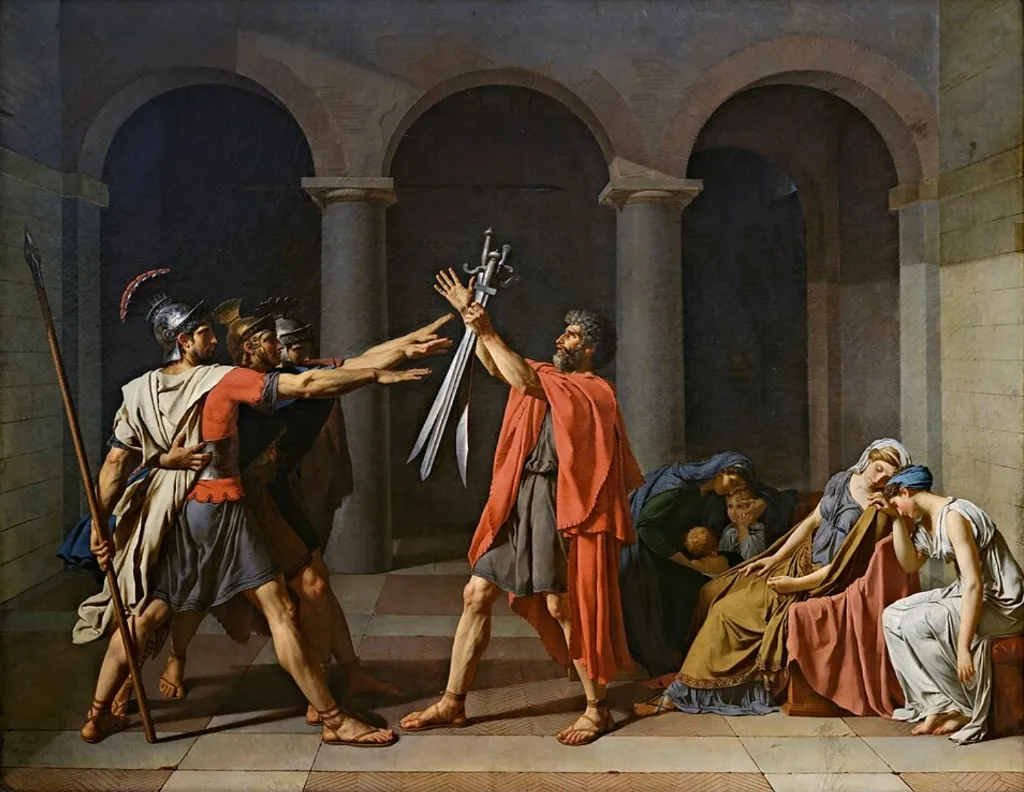
This is important, because this "Severe Style" set the stage for the Victorians. It taught them that Art was serious business.
V. The High Definition Peak (1850 – 1910)
This brings us, finally, to the world of Sir Lawrence Alma-Tadema.
Imagine standing at the end of this long journey. You have the archaeological discoveries of Pompeii showing you exactly how the Romans lived. You have the chemical advances of the Industrial Revolution giving you brighter, more stable paints than da Vinci ever dreamed of. And you have the accumulated skill of four hundred years of oil painting.
The Victorians took Realism to its terminal velocity.
They didn't just want to paint a scene; they wanted to reconstruct it. Alma-Tadema was the High Definition camera before the camera existed. When he painted marble, he painted the way the light travelled inside the stone before bouncing back to your eye. When he painted the Mediterranean sea, he painted the exact shade of turquoise that occurs at noon in the Bay of Naples.
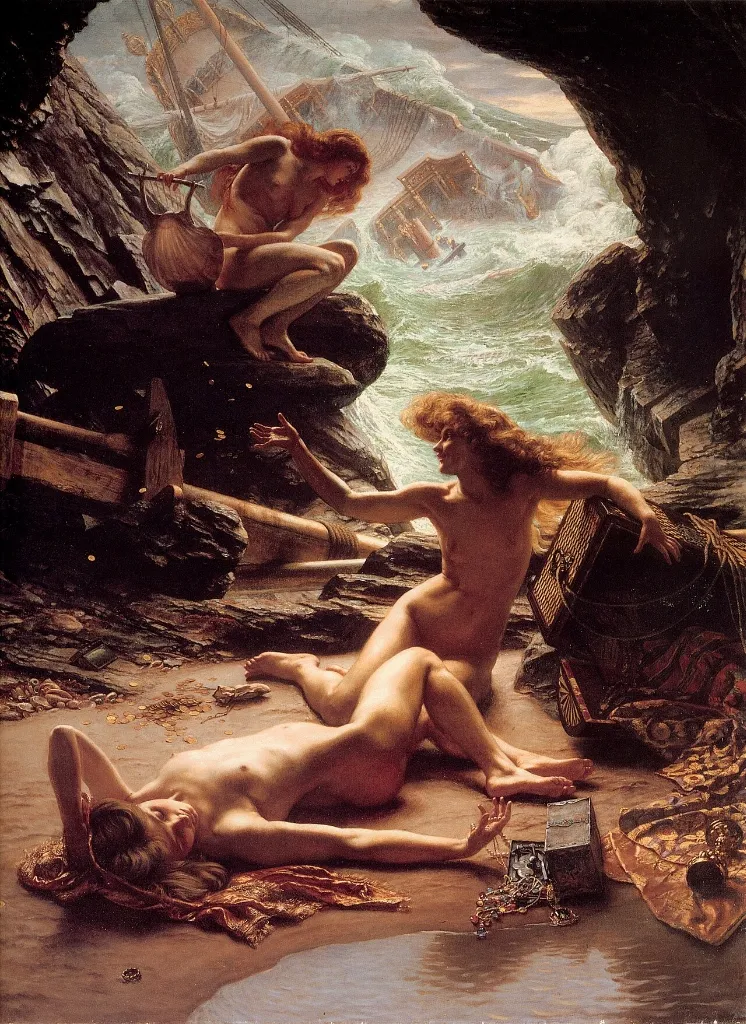
The public loved it. They stood in front of paintings like The Roses of Heliogabalus and counted the petals. They marveled at the labor. They felt that civilization had reached its peak. They had conquered the world, they had conquered science, and now, finally, they had perfectly captured reality.
The pendulum was as far to the side of the Body as it could possibly go.
VI. The Great Fracture (1914 – 1970)
But gravity is cruel. The higher you swing, the harder you fall.
In 1914, the "Civilized World" committed suicide. This moment marked a violent shift in the history of art trends. World War I didn't just kill millions of men; it killed the Victorian belief in reality.
After four years of trench warfare, mustard gas, and machine guns, the beautiful, polished marble of Alma-Tadema didn't look beautiful anymore. It looked like a lie. It looked like the decoration on a tomb.
A new generation of artists—the Modernists—looked at the "Perfect Realism" of the 19th century and felt the same way the early Christians felt about the Roman statues. It felt obscene. How could you paint a pretty girl on a marble bench when your friends were rotting in the mud of the Somme?
So, for the second time in history, they smashed the idols.
They pushed the pendulum violently back toward the Soul—but this time, it was a tortured soul.
Picasso shattered the face because the world felt shattered.
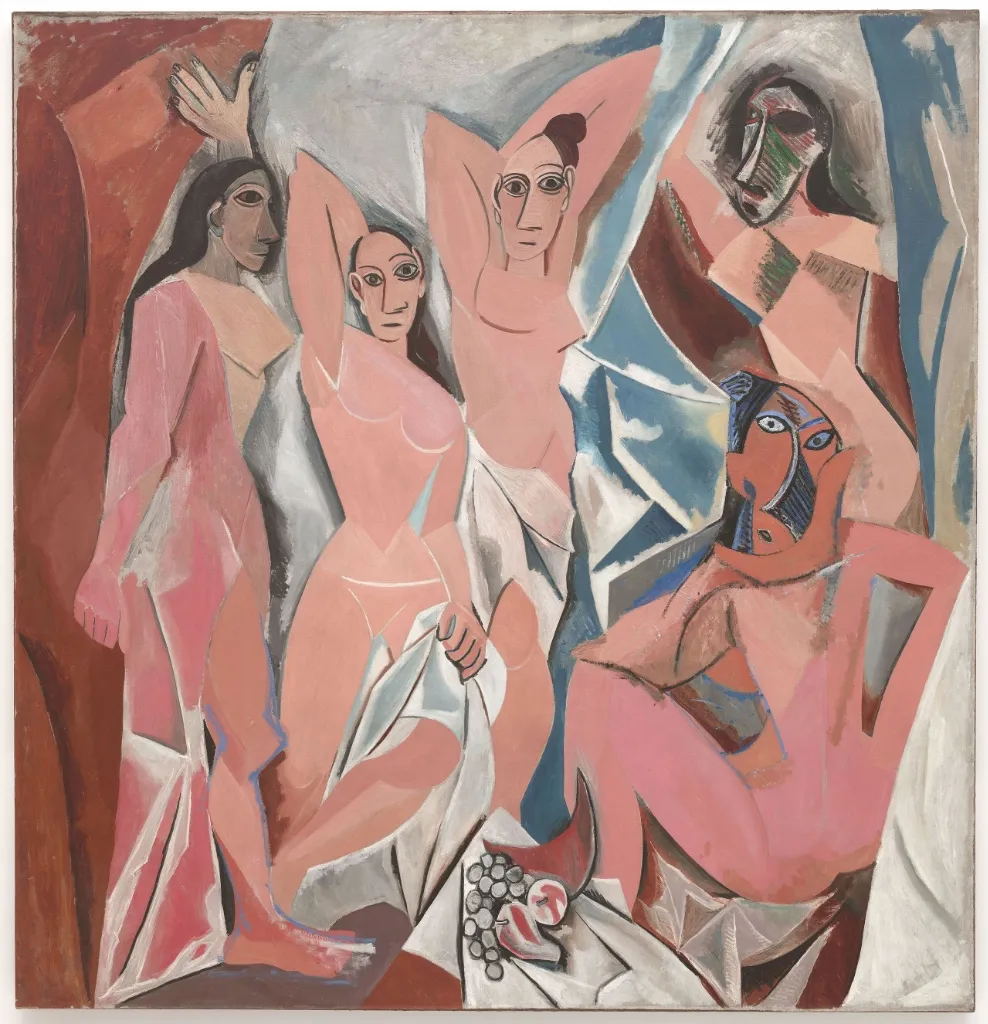
Dalí melted the clocks because time felt meaningless. Rothko painted giant squares of black and red because the only honest thing left was raw emotion.
They rejected the material world. They flattened the canvas. They declared that "Representation"—painting things that look like things—was dead. To be "Real" was to be fake. To be "Abstract" was to be honest.
Alma-Tadema became the enemy. His paintings were sold for the price of their frames. He was mocked as "The Worst Painter of the 19th Century." He was the symbol of everything the new world wanted to forget.
VII. The Pause
And that is where we have been for a hundred years. We have been living in the Second Great Abstraction. We stripped the walls bare. We built glass boxes. We worshipped the concept and mocked the craft.
But if you listen closely, you can hear a creaking sound.
We are tired. We are tired of the irony. We are tired of the blank slate. After a century of staring at the void, the human eye is starting to get hungry again. It is starving for the texture of a rose petal. It is starving for the cool touch of marble.
The pendulum has slowed down. It is hanging in the air, heavy with momentum. And as we look back at this 2,000-year history of art trends—from the Doryphoros to Duchamp—we can see the pattern clearly. As we look at the rising popularity of Alma-Tadema today—the viral videos, the record-breaking auctions, the obsession with "aesthetic"—we are seeing the start of the return.
We are remembering, once again, that we have bodies.
(Continued in Part II: The Burden of Choice)
Leave a Visiting Card
Consulting the visiting cards...