This is Part II of a series. Read Part I: The Great Pendulum.
In Part I, we walked the long road of history. We watched the pendulum swing back and forth—from the worship of the Body to the worship of the Soul, from the stone statues of Rome to the gold saints of the Middle Ages, and finally to the fractured mirrors of Modernism.
For two thousand years, that pendulum was a simple machine. It went Left, then it went Right. You lived in an era, and you knew the rules. If you were a Victorian, you liked Realism. If you were a Modernist, you liked Abstraction. The choice was made for you by the calendar.
But something strange has happened.
The pendulum has stopped swinging. Or rather, it is swinging in every direction at once.
We are living in a moment that has never existed before. The internet has collapsed the timeline. You can open your phone and see a 2,000-year-old Roman bust, a 19th-century Alma-Tadema painting, and a 21st-century AI generated image, all in the span of three seconds.
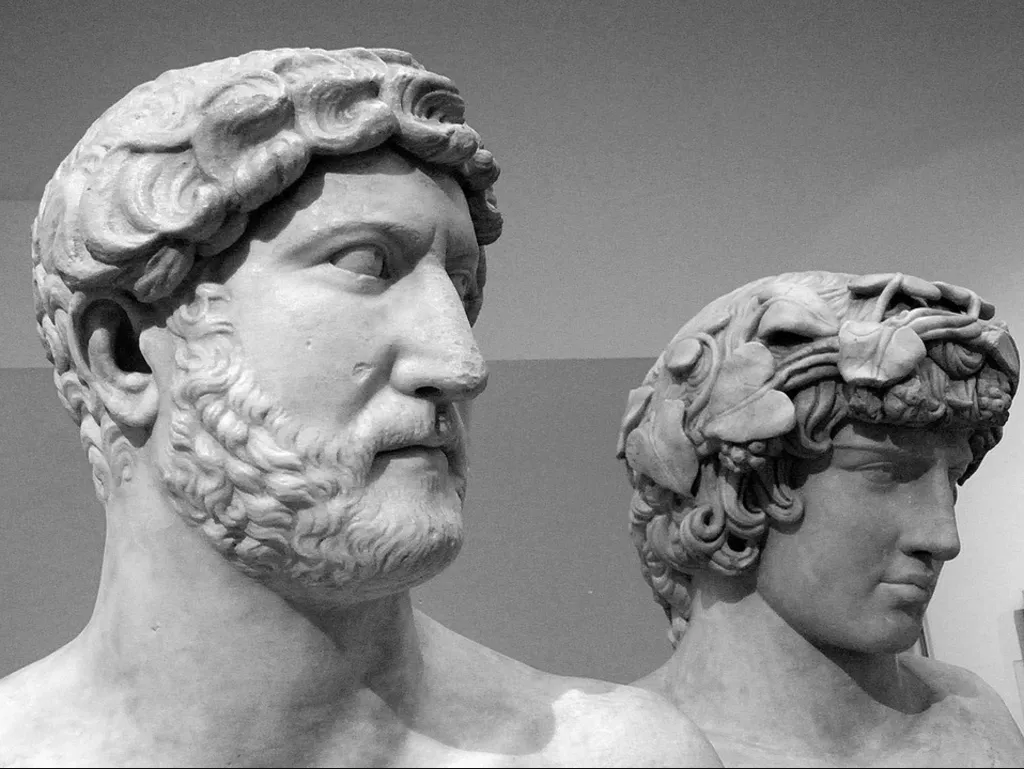
Bust of Emperor Hadrian (Roman, c. 117–138 AD)
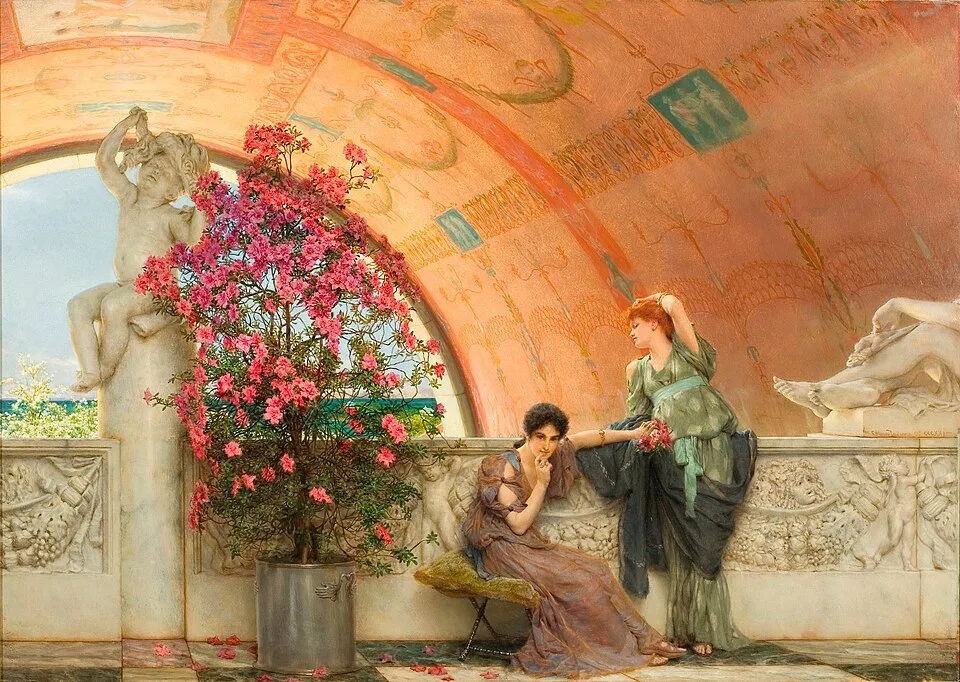
Unconscious Rivals (Alma-Tadema, 1893)
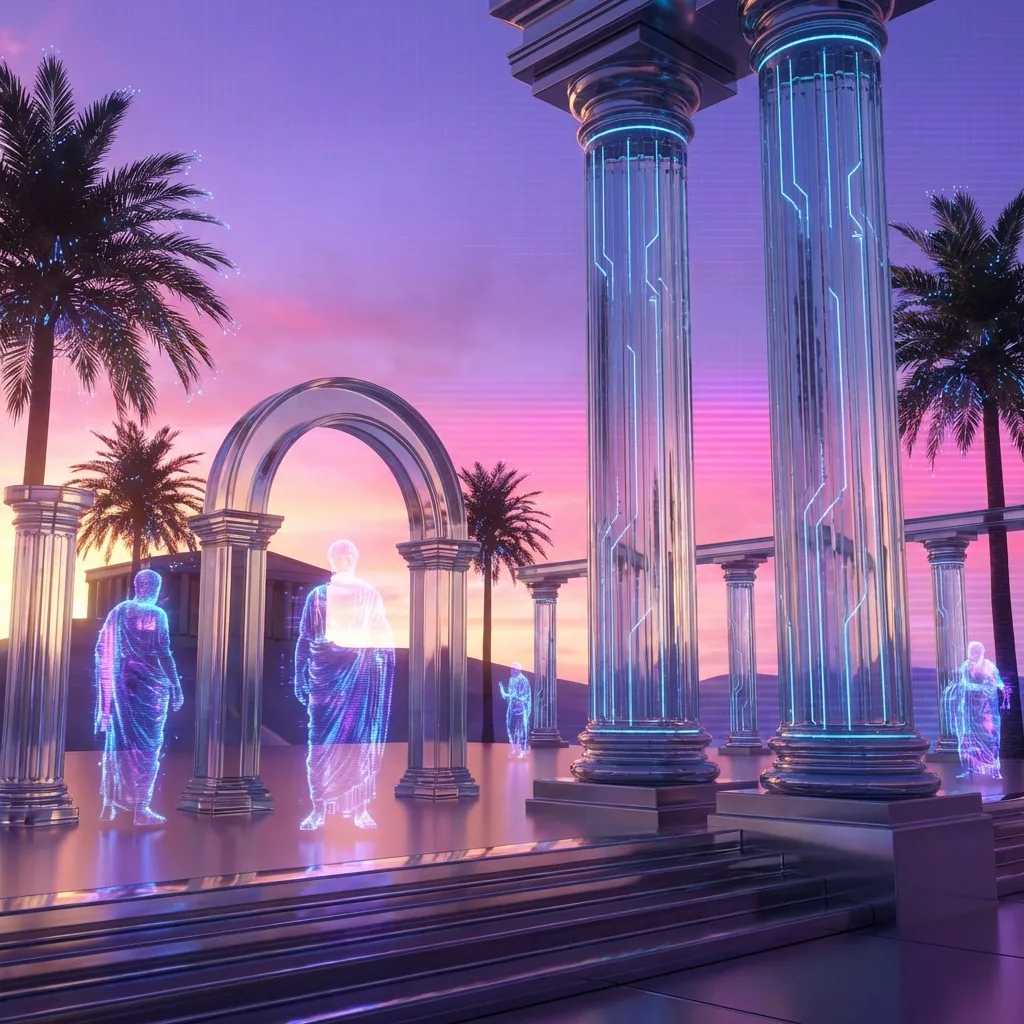
Neo-Roman Dreamscape (AI Generation, 2026)
We have access to every definition of "Beauty" that humanity has ever invented. The Gatekeepers—the Royal Academy, the stern critics, the museum directors—have lost their keys. The doors are wide open.
We should be the freest people in history. We should be dancing.
So why are we so anxious?
I. The Age of Noise
If you listen closely to the art world today, you don't hear the quiet hum of appreciation. You hear a low-level panic.
We are terrified of being wrong.
In the old days, being "wrong" was easy to define. If you liked Impressionism in 1860, the Academy said you were wrong. If you liked Realism in 1960, the Critics said you were wrong. There was a script.
Today, there is no script. The only "sin" left is being boring. But deep down, we still carry the scars of the last century.
We post a picture of a beautiful sunset, but we feel a twinge of shame, so we add an ironic caption. I know it's cheesy, we signal to our friends. I know I shouldn't like this. We stand in front of a piece of modern art—a pile of bricks in a gallery—and we nod solemnly, terrified to admit that we feel nothing, because we don't want to look stupid.
We are trapped in what the art historian Fred Ross called "Prestige Suggestion." It is the whisper that says: The experts know better than you. If you don't get it, the problem is you.
For a hundred years, we were trained to distrust our own eyes. We were taught that if something was "pretty," it was probably a lie. We were taught that "Real Art" had to be difficult. It had to confuse you. It had to hurt a little bit.
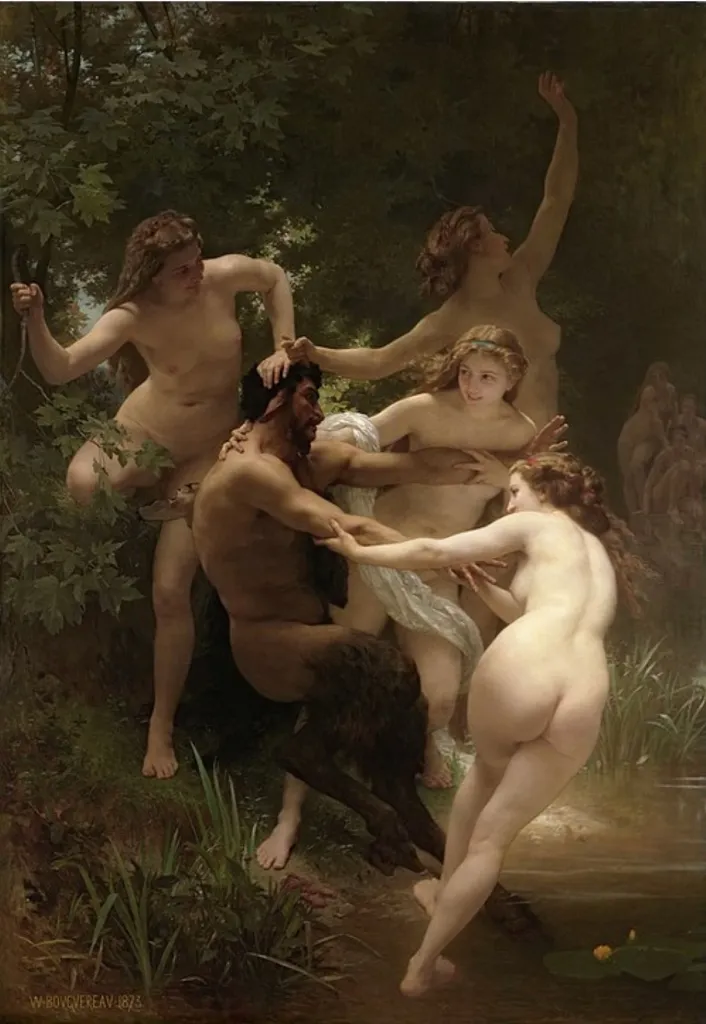
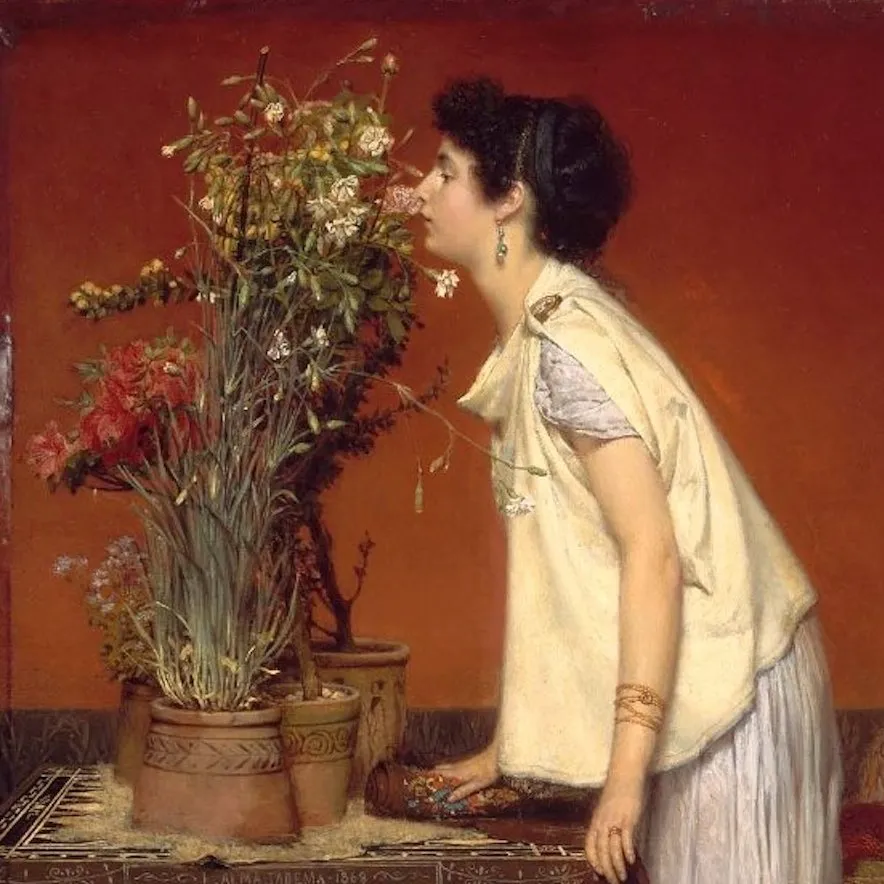
That training doesn't vanish overnight. Even now, when we look at an Alma-Tadema painting—full of light, marble, and happiness—we wait for the punchline. We wait for someone to tell us it's "Kitsch."
We are free to like it, yes. But we are scared to admit it.
II. The New Battlegrounds
Because we are anxious, we invent new wars. The old war was "Realism vs. Abstract." The new war is "The Human vs. The Machine."
Look at the panic over AI Art. It is visceral. It is angry. And it is exactly the same panic that swept the world in 1839.
When the camera was invented, the painters of the 19th century screamed. This is not art! they cried. It is a machine! It has no soul! It is cheating! The French painter Paul Delaroche famously declared, "From today, painting is dead."
They were terrified that if a machine could make a perfect image in a second, then the thousands of hours they spent learning to paint were wasted. They were terrified that beauty would become cheap.
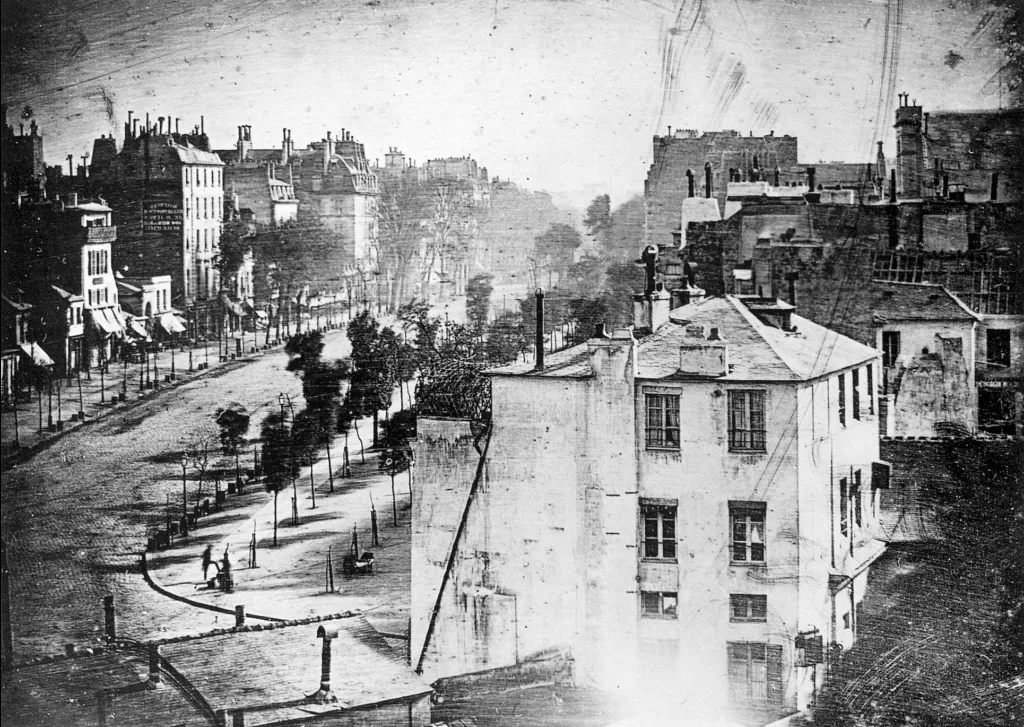
And now, two hundred years later, we are saying the exact same words about Artificial Intelligence. It has no soul. It is cheating.
We are fighting this battle because we need a boundary. We need to draw a line in the sand and say, "This side is Art, and that side is Not Art." It makes us feel safe. It gives us rules again.
But the history of the pendulum tells us that these lines never hold. The camera didn't kill art; it just changed it. It freed painters from the job of being photocopiers and allowed them to become Impressionists.
The machine forces us to ask the hardest question of all: If the skill of the hand is no longer enough to define Art, then what is?
III. The Hardest Freedom
This brings us to the edge of the cliff.
If the Critics are dead, and the Academy is irrelevant, and the Machine can make anything... Who decides what is Art?
The answer is the one thing we don't want to hear: You do.
It sounds like a cliché. "I know what I like." It sounds simple. But it is actually the most radical, dangerous, and difficult stance you can take.
To stand in front of a painting—whether it is a Dutch Master, a jagged Abstract, or a neural network dream—and simply feel it, without checking the plaque on the wall, requires immense courage.
It requires you to silence the voices in your head. The voice of the Art Teacher who told you cartoons aren't art. The voice of the Critic who told you prettiness is shallow. The voice of the Twitter Mob who told you that liking "Old Dead White Men" is problematic.
You have to quiet them all. You have to stand in the silence between your retina and your soul.
And in that silence, you have to ask: Does this move me? Does this make the noise stop? Does this make me feel something?
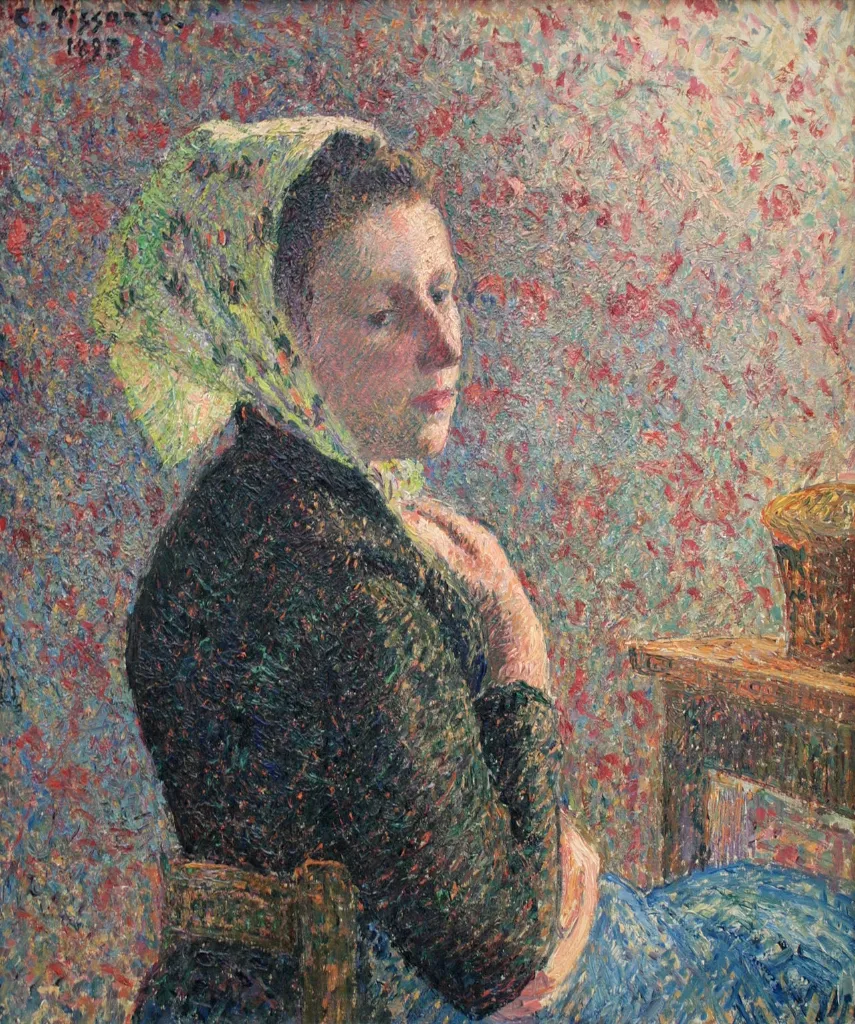
If the answer is yes, then it is Art. Period.
IV. The Sovereignty of the Viewer
The Sanctuary we are building here—this collection of Alma-Tadema's work—is not a fortress. We are not trying to build a wall to keep Modernism out. We are not trying to say that Realism is the "only" truth.
We are simply saying: This is valid too.
It is valid to love the way light hits marble. It is valid to love a story. It is valid to want art to be beautiful, to be comforting, to be a place of rest.
For a long time, we were told that comfort was a bad thing in art. We were told that art should "challenge" us. And yes, sometimes we need to be challenged. Sometimes we need the jagged edge.
But sometimes, life is challenging enough. Sometimes, the world helps us to feel broken, and we need art to help us feel whole.
Sir Lawrence Alma-Tadema painted a world that never quite existed. He painted a dream of Rome—a Rome without slavery, without disease, where the sun always shines and the sea is always blue. The critics called it a lie. But maybe it wasn't a lie. Maybe it was a prayer.
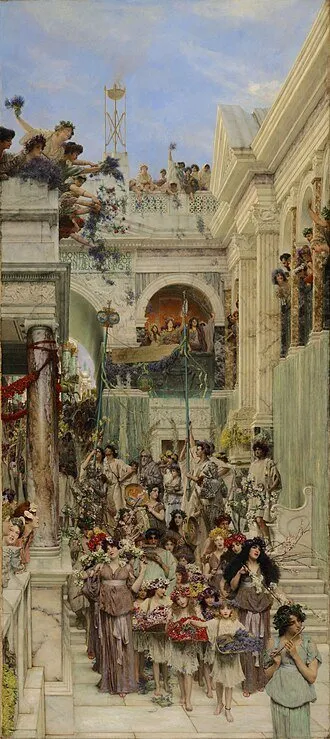
And in the Age of Anxiety, perhaps a prayer is exactly what we need.
So, let the pendulum swing. Let the cycles turn. You do not need to choose a side. You just need to choose what you love.
Open the Golden Door. Step into the sunlight. And don't apologize for staying as long as you like.
Leave a Visiting Card
Consulting the visiting cards...