
To understand the explosive appeal of Lawrence Alma Tadema paintings to a Victorian audience, you have to look at what the women are wearing.
Or rather, what they aren't wearing.
The Armor of the 1880s
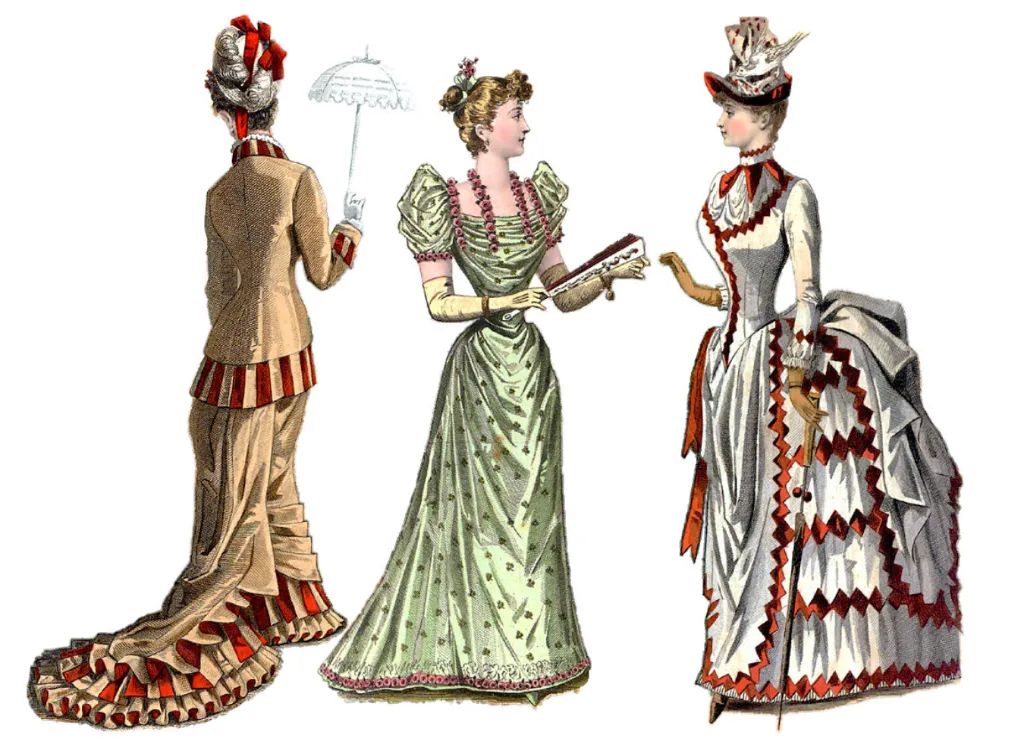
In 1880s London, a respectable woman was essentially armored. The era's obsession with propriety—embodied by Queen Victoria's court—demanded that the female body be hidden, controlled, and shaped into an unnatural ideal.
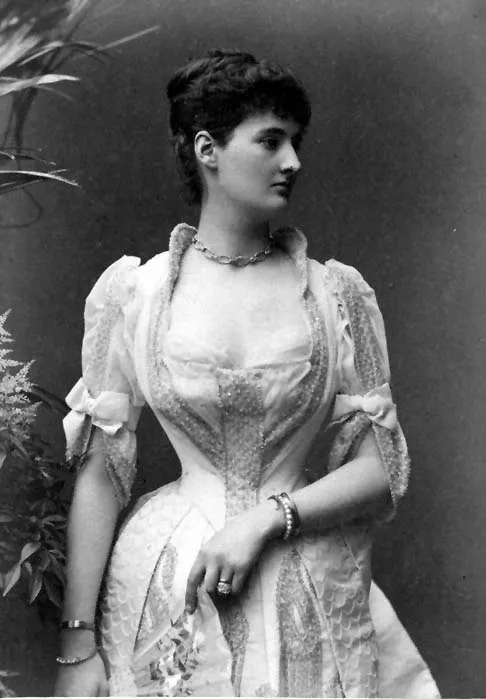
She wore a chemise. Over that, she wore a corset—reinforced with steel or whalebone—laced tight to manipulate her waist into an unnatural hourglass. Over that, she wore a corset cover. Then layers of petticoats. Then a heavy wool or silk dress with a high collar, long sleeves, and a bustle pad.
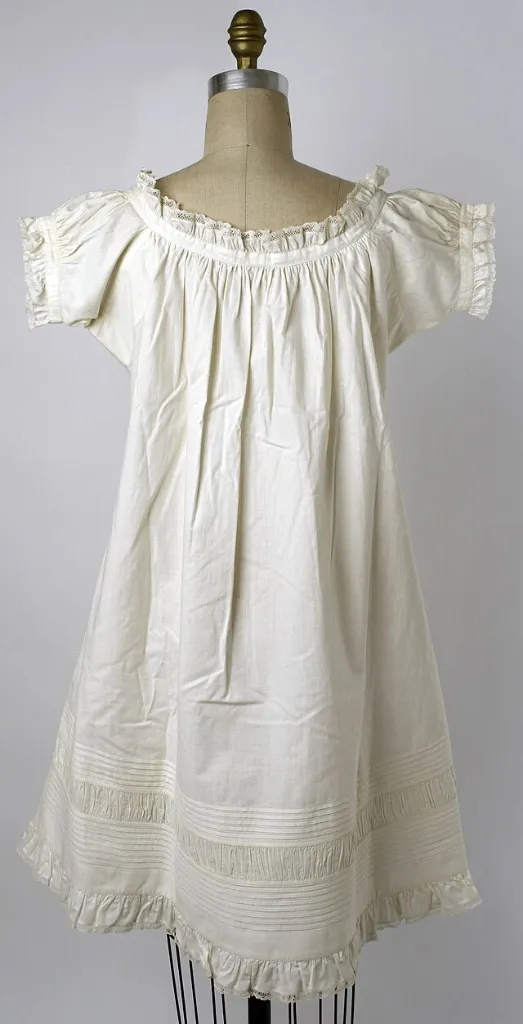
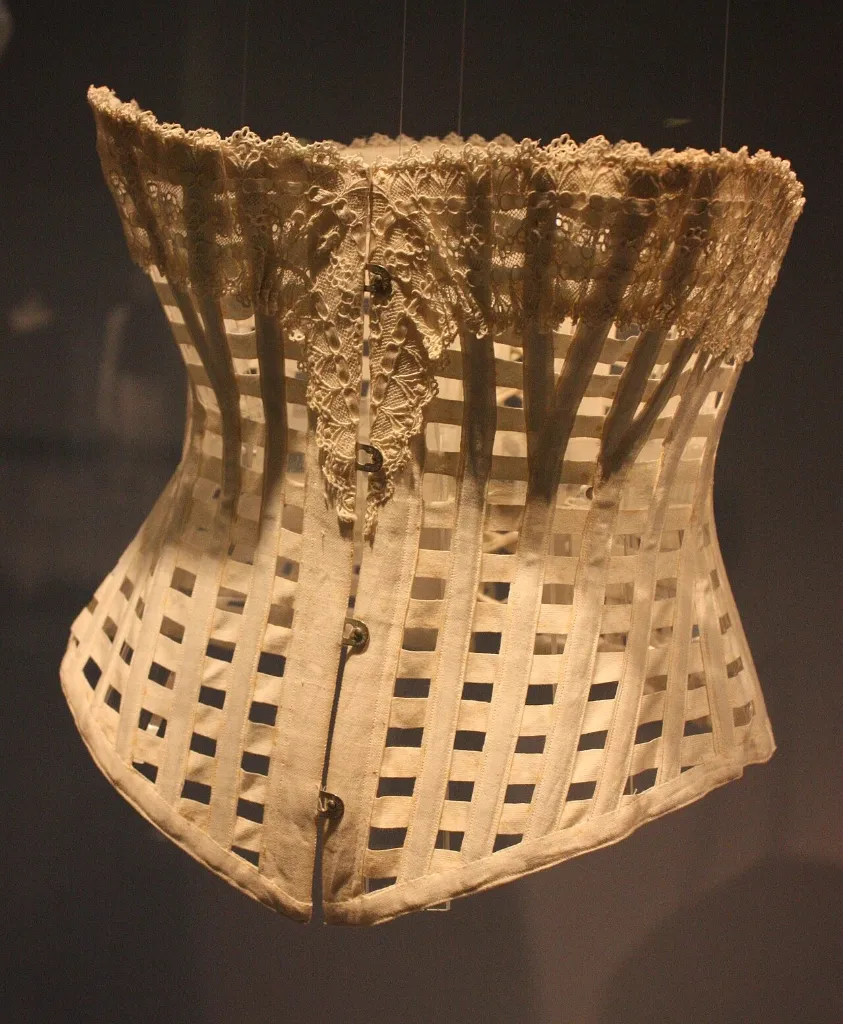
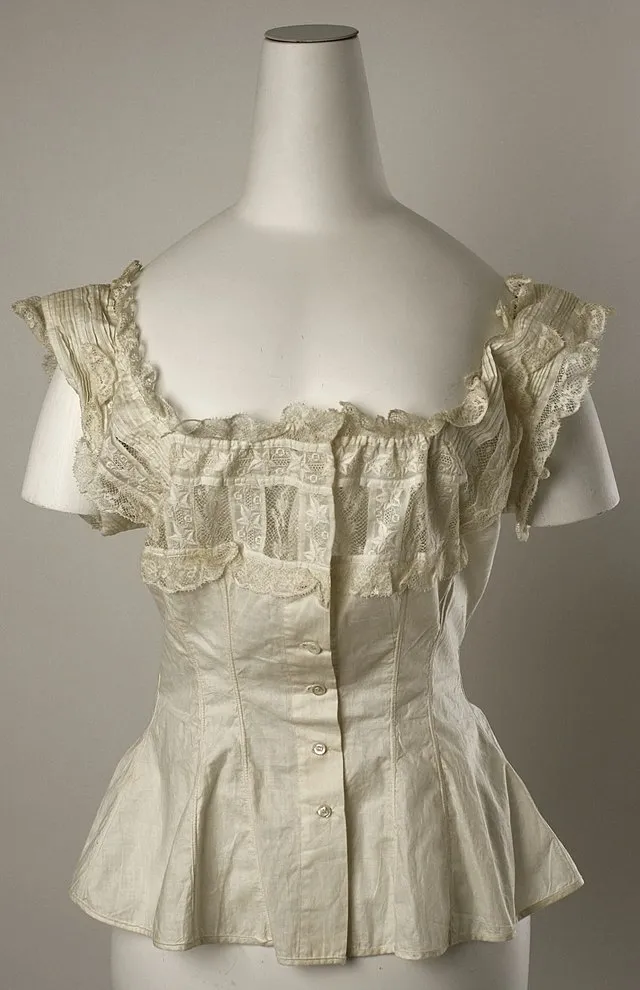
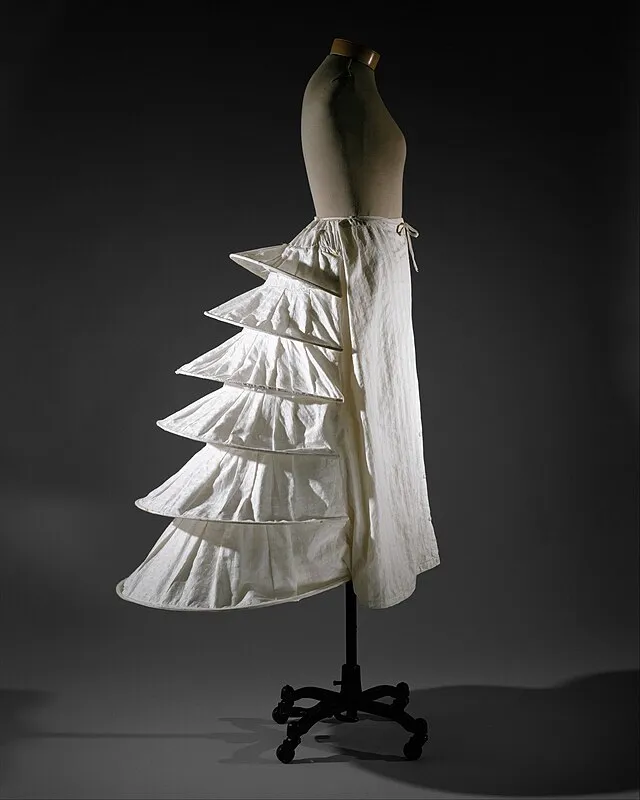
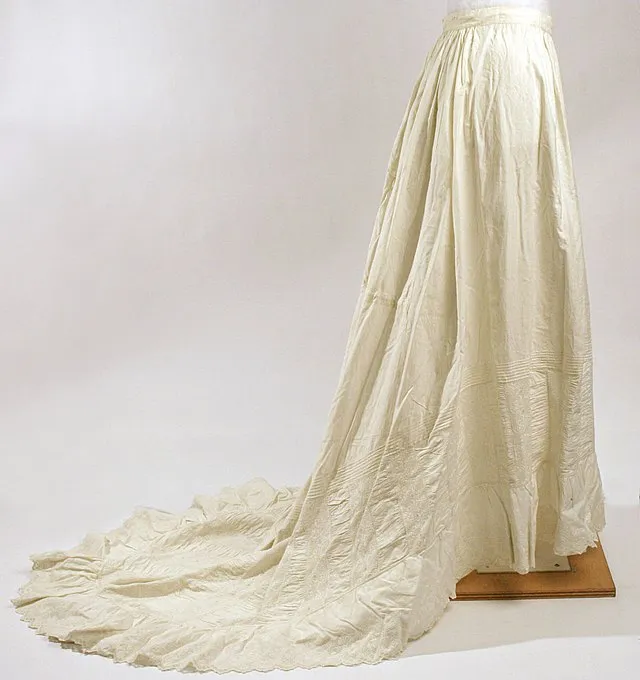
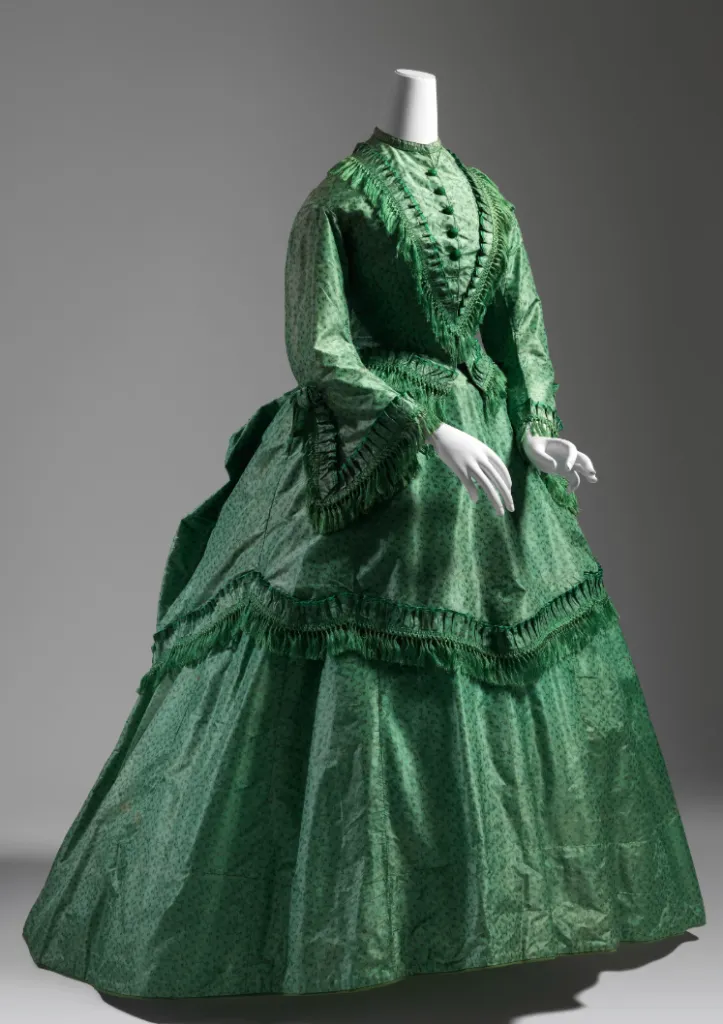
Her movements were restricted. Her breathing was shallow. To lounge on a sofa was physically difficult. To stretch was impossible.
The results were medically devastating. Doctors of the era frequently diagnosed young women with Chlorosis, or "green sickness"—a form of anemia and fainting spells exacerbated by shallow breathing and internal organ displacement. To look at these women was to see the toll of a society that feared the natural breath.
The Roman Rebellion
Now, look at the women in Lawrence Alma Tadema paintings.
They are draped in light, translucent silks. Their arms are bare. Their necks are visible. Most shockingly, their waists are uncompressed.
They lounge. They stretch. They lean back against marble benches with a feline grace. They look comfortable.
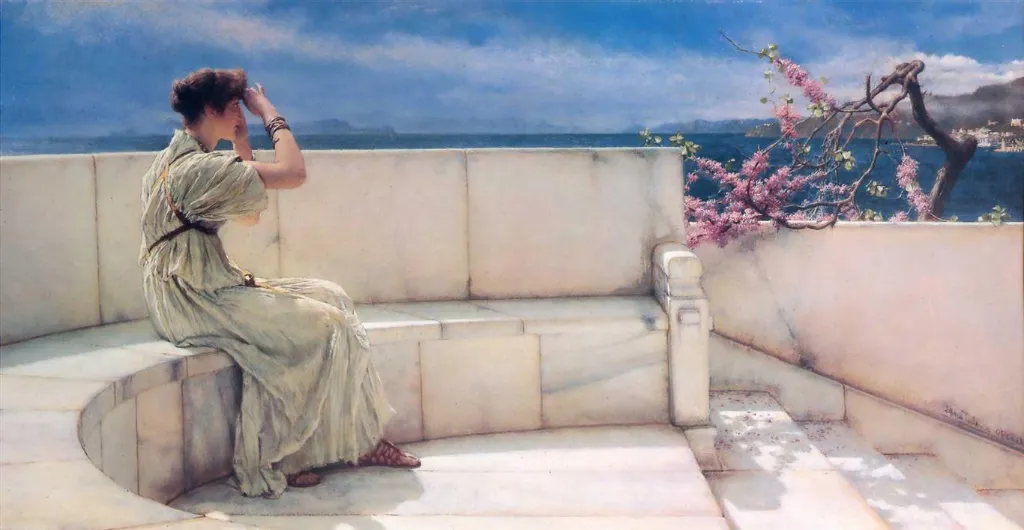
For the buttoned-up Victorian, these paintings acted as a visual antidote. Tadema's healthy, glowing Roman women were a silent "prescription" for the era's collective green sickness. They offered a rare resonance—a glimpse of the female form in its natural, unhurried grace that was seldom seen in a world of whalebone and wool.
But it also appealed to women.
The "New Woman"
Many women loved these paintings not for the male gaze, but for the fantasy of freedom.
The "Aesthetic Dress" movement of the late 19th century—led by figures like Oscar Wilde and the Pre-Raphaelites—argued that women should ditch the corset and wear loose, flowing robes.
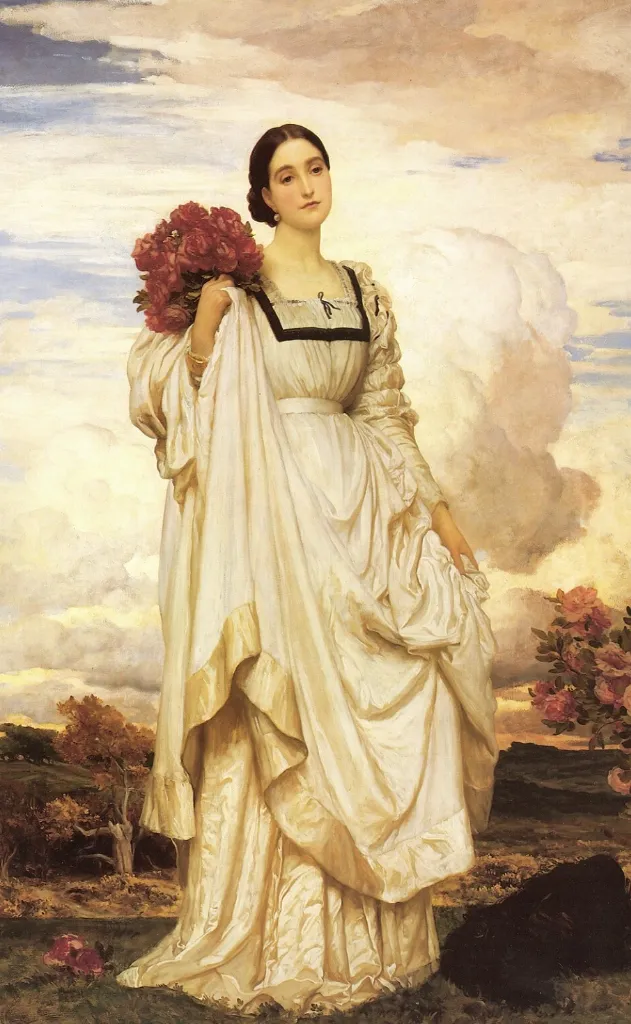
Lawrence Alma Tadema paintings provided the visual propaganda for this movement. They showed that you could be loose, uncorseted, and comfortable, and still be elegant. You could be a "Roman Matron" rather than a trussed-up Victorian doll.
The Safe Space of History
This was the genius of his setting.
If he had painted contemporary London women lounging around in see-through robes, it would have been a scandal. It would have been pornography. The Royal Academy would have banned it.
Just look at what happened to John Singer Sargent. When he painted Madame X in a simple black dress with a slipping strap, it destroyed his Parisian career. The public couldn't handle the reality of a modern woman's skin.
But because Tadema's women were "Ancient Romans," it was allowed. It was "History." It was "Educational."
He used the excuse of antiquity to bypass the strict moral censorship of his day. He created a safe space where the repressed Victorian imagination could run wild.
Lawrence Alma Tadema paintings were permission slips. They gave the buttoned-up British public permission to dream of a world of warmth, skin, and freedom. In a society obsessed with rigid rules, he painted the act of unbuttoning.
Leave a Visiting Card
Consulting the visiting cards...