The higher they climb, the harder they fall. And no artist fell harder, faster, or further than Laurens Alma Tadema.
(We use his birth name here, "Laurens," because in his fall, stripped of his British titles and prestige, he seemed to return to being just a man—and a rejected one at that).
The Modernist Attack
The turning point was World War I. But the knives had been sharpening long before the first shot was fired.
A new generation of critics, led by Roger Fry and the Bloomsbury Group (including Virginia Woolf's circle), had decided that "Victorian" meant "Bad."
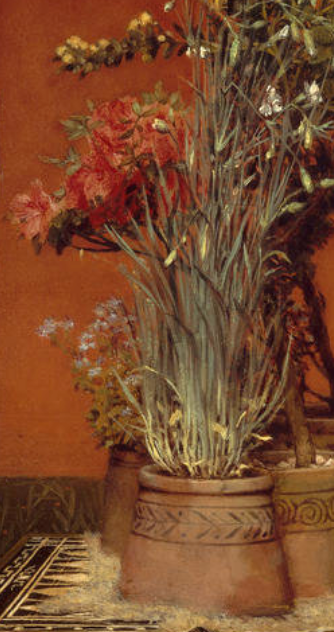
They hated the smooth, polished finish of artists like Laurens Alma Tadema. They called it "licked" finish—so smooth you couldn't see the brushstrokes. They preferred the rough, emotional, honest brushwork of the Post-Impressionists like Cézanne and Van Gogh.
To them, Tadema's perfection was a lie. It was "chocolate box art"—sweet, pretty, and empty. They accused him of being a "furniture painter," more interested in the marble table than the soul of the woman sitting at it.
The Hypocrisy Charge
After 1918, the criticism turned darker.
The war had destroyed the optimism of the 19th century. Millions of young men had died in the mud. The old Empires had collapsed.
In this new, cynical world, the sunny, orderly paintings of Laurens Alma Tadema looked like a sick joke. They represented the complacency of the old order. They represented the rich, fat, happy elite who had led the world into disaster.
Rejecting Tadema wasn't just an aesthetic choice; it was a moral one. To be modern, you had to reject the "lie" of beauty. You had to embrace angst, fragmentation, and ugliness.
The Wilderness Years
The result was a total erasure.
Museums took his paintings down and put them in the basement. Art history books stopped mentioning him. His prices crashed from £10,000 to £20.
There is a famous story that, in the 1950s, a frame maker bought a masterpiece by Laurens Alma Tadema. He took the painting out, threw it in the trash, and kept the gold frame. The frame was worth more than the art.
He was a ghost. For fifty years, he wandered the wilderness of bad taste, waiting for a world that was brave enough to look at beauty again without cynicism.