
If Leopold Lowenstam was the whisper in the parlor, Auguste Blanchard was the shout in the street.
In the ecosystem of Sir Lawrence Alma-Tadema’s career, there were friends, and there were titans. Lowenstam, the "etcher friend," was the former—a man of soft copper and bohemian dinners. But Auguste Blanchard was something else entirely. He was a man of steel.
Blanchard was not merely an interpreter of art; he was the industrial engine that powered the Alma-Tadema brand. When you stood before a Blanchard print, you were not looking at a sketch. You were looking at a monument.
The Dynasty of the Burin
Auguste Thomas Marie Blanchard (known as Auguste III) did not stumble into art; he descended from it.
Born in Paris in 1819, he was the third generation of a formidable engraving dynasty. His grandfather and father had held the burin before him, passing down the secrets of the trade like a royal line. By the time he met Alma-Tadema, Blanchard was already a celebrity in his own right—a Chevalier of the Legion of Honor and a future member of the prestigious Académie des Beaux-Arts.
He was the "Spielberg" of the Victorian print market. If you wanted a quiet, atmospheric study, you hired an etcher. But if you wanted a blockbuster—a print that would sell ten thousand copies and hang in halls from London to New York—you hired Blanchard.
The Alchemy of Steel
While his contemporaries were experimenting with the fluid, acid-bitten lines of etching, Blanchard remained a master of Line Engraving.
This was an art of discipline, not accident. Working on plates of hard steel (or steel-faced copper), Blanchard used his burin to cut v-shaped furrows with mathematical precision. There was no room for the "happy accidents" of acid. Every line was a deliberate act of force.
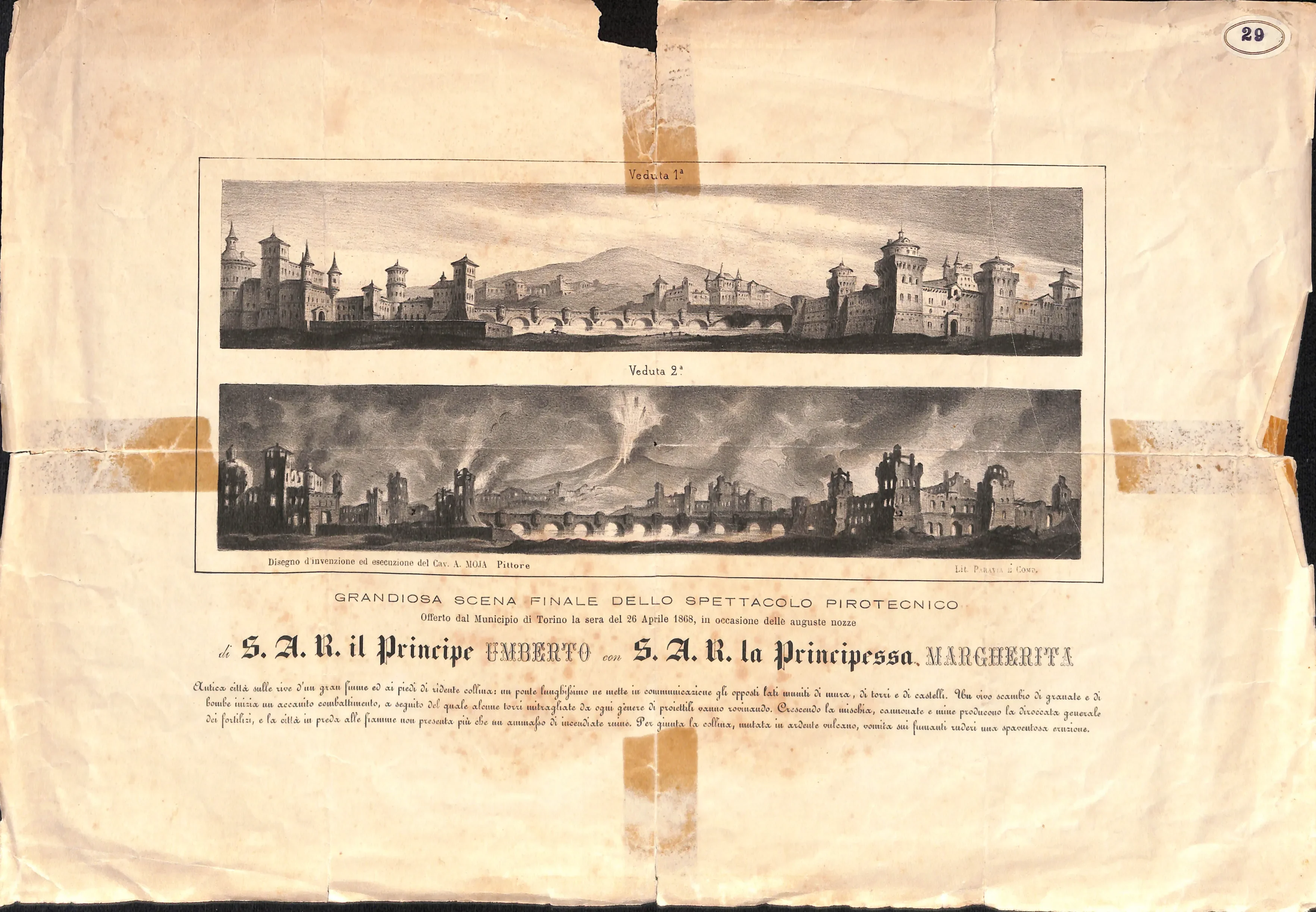
The kind of precision Blanchard was famous for: Making ink behave like carved stone.
It was this ruthlessness that made him the perfect match for Alma-Tadema.
Tadema’s paintings were famous for their marble—cool, hard, and translucent. Blanchard’s steel lines mimic this texture perfectly. He could make a series of black parallel lines look like the polished surface of a Roman bench. He didn't just copy the image; he translated the temperature of the stone.
The Vintage Festival Phenomenon
The partnership struck gold—quite literally—with The Vintage Festival.
When Blanchard engraved this massive celebration of Bacchic processional, it became a cultural phenomenon. Published by the savvy dealers Pilgeram & Lefevre, the print allowed the middle class to own a piece of the "Tadema Dream."
It was a relationship of mutual benefit. Alma-Tadema provided the vision; Blanchard provided the distribution. In an era before color photography, Blanchard was the high-fidelity transmission mechanism. He took the "Opus" numbers that only millionaires could afford and turned them into icons that defined an era.
The Legacy of the Line
Blanchard died in 1898, just a year before the turn of the century. He represented the peak of a dying art. The softer, quicker, and cheaper methods of photogravure were already nipping at the heels of the old line engravers.
But looking at a Blanchard proof today, on its crisp India paper, you feel a weight that the photographic processes never achieved. You can feel the physical labor of the hand that pushed the steel, the discipline of the eye that translated "Tadema Blue" into a language of pure black and white.
He was the man of steel who ensured that the marble of Rome would never crack.
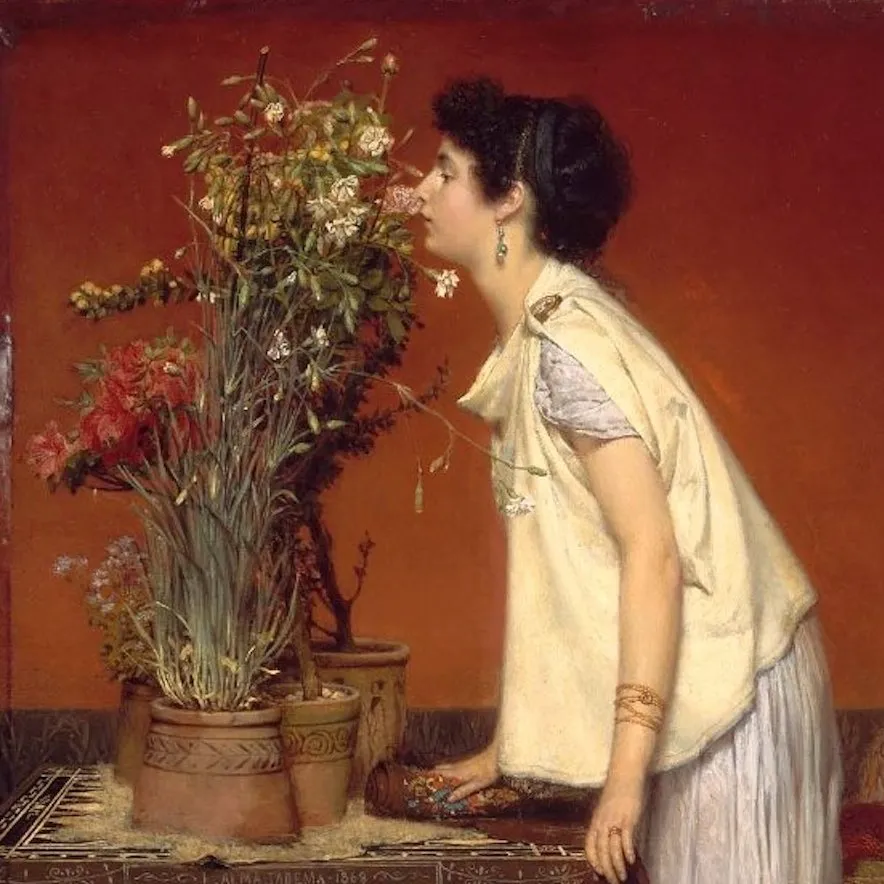
Leave a Visiting Card
Consulting the visiting cards...