
The bear fight is over. The bathhouse is built. Now, there is nothing left but the end.
In the final chapter of the Alma Tadema Caracalla trilogy, we reach the year 217 AD—six years after the murder, and just one year after the opening of his magnificent Baths. The Emperor has reigned alone for six years. He has purged his enemies, manipulated the currency, and taxed the empire to the brink of ruin. He is the most powerful man in the world.
And he is walking into a trap.
The Alma Tadema Caracalla Delusion
Caracalla, 217 AD (Opus 370) is smaller than the other paintings in this series. It is intimate. It feels like a snapshot taken moments before a disaster.
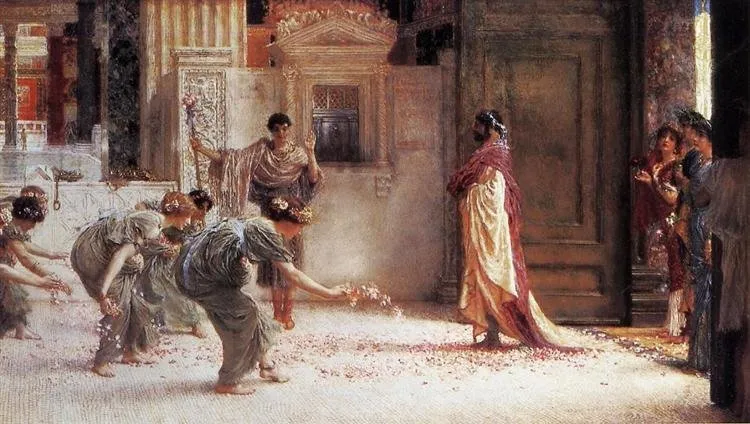
In this Alma Tadema Caracalla scene, we see the Emperor walking down a marble corridor. He is not slouching against a pillar as he was in the Colosseum (Act I). He is moving. He is surrounded by an entourage of bowing servants and scattering flower girls.
This is the Alma Tadema Caracalla paradox at its sharpest: the monster is being treated like a god.
The floor is scattered with rose petals. The golden light of the East (perhaps Alexandria or Carrhae) floods the scene. To the casual observer, this is a picture of triumph.
But look at the date in the title: 217 AD.
The Alma Tadema Caracalla Memento Mori
Alma-Tadema rarely put dates in his titles. When he did, it was a signal.
Any educated Victorian viewer knew exactly what "217 AD" meant. It was the year Caracalla died. And he didn't die in battle. He didn't die in bed.
He died by the side of a road in Syria, stopping to relieve himself while on a march. A disgruntled soldier named Justin Martialis, urged on by the Praetorian Prefect Macrinus, approached the Emperor while his pants were down and stabbed him in the back.
It was a humiliating, dirty, un-imperial end. He was just twenty-nine years old.
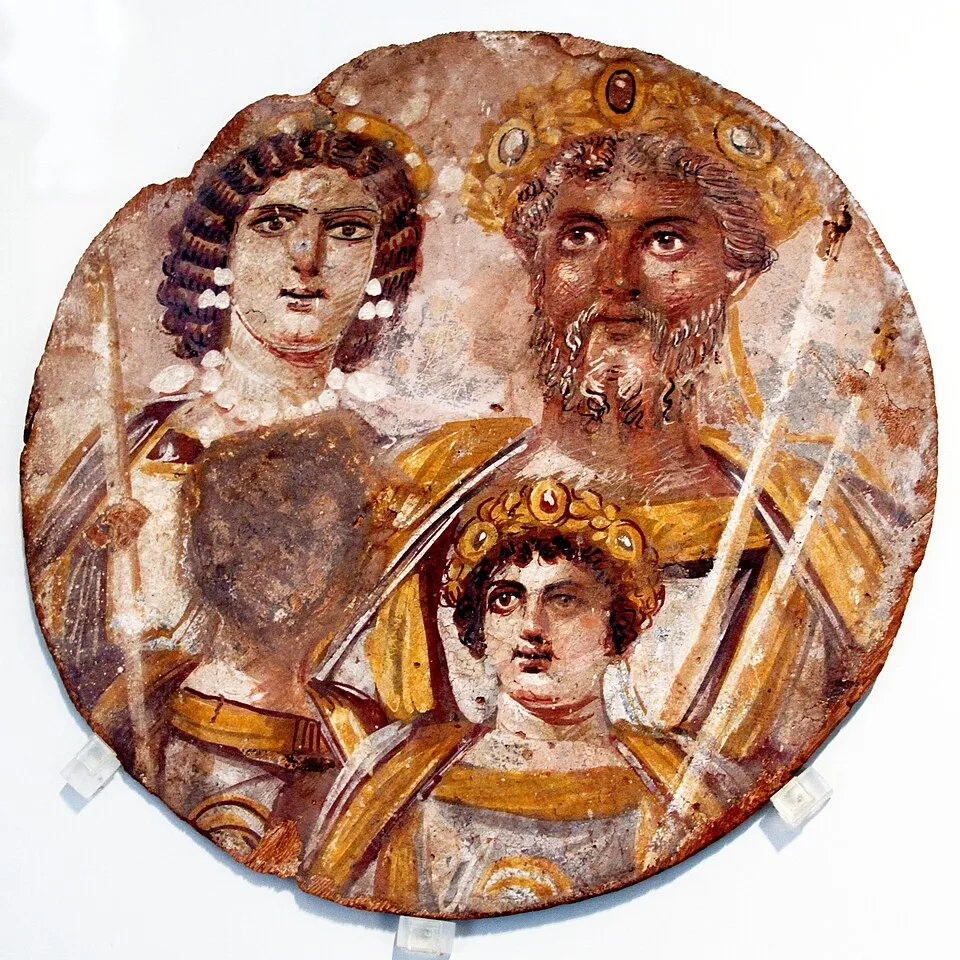
When we look at Opus 370, with its bowing servants and fragrant roses, we are seeing the ultimate irony. all this pomp, all this marble, all this fear—and it ends in the dirt by a roadside.
The Roses of Indifference
There is a chilling echo here of another famous Alma-Tadema painting: The Roses of Heliogabalus. In that painting, guests are smothered to death by falling petals.
In the Alma Tadema Caracalla finale, the flowers are not a weapon, but they are just as indifferent. The roses don't care that they are being scattered for a fratricide. The sun doesn't shine less brightly on a tyrant.
Tadema is telling us that nature and beauty are neutral. The marble of the Baths (Act II) and the roses of the procession (Act III) will serve anyone who pays for them. They do not judge.
Only history judges.
The End of the Dynasty
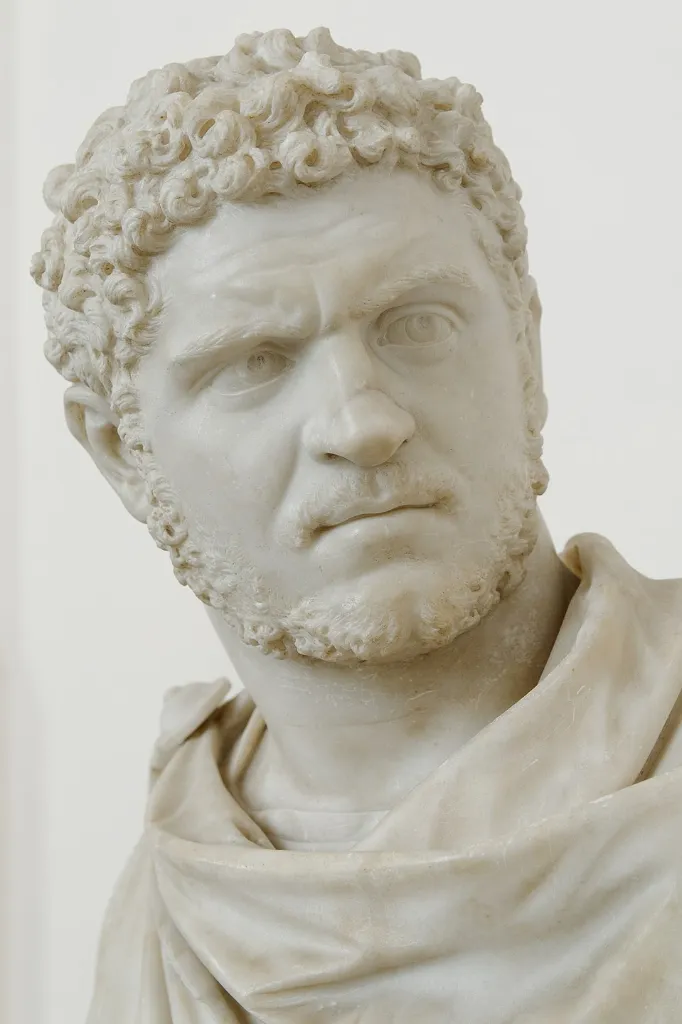
With Caracalla's death, the Severan dynasty began its collapse. The "Emperor of Blood and Marble" left behind a legacy of chaos.
But he also left behind the painting that started this journey: Caracalla and Geta.
In the end, the Alma Tadema Caracalla series is not really about Rome. It is about the futility of power. You can kill your brother. You can build the biggest spa in the world. You can force the Senate to bow and the people to cheer.
But eventually, you have to stop on the side of the road. And the knife is always waiting.
Leave a Visiting Card
Consulting the visiting cards...