
History is loud. But in the quiet studio of Alma Tadema, history often whispered.
But it often forgets the quiet ones.
Maurice Sons is a ghost in the footnotes of music history. We know the bare facts: He was Dutch. He was a violinist. He led the Scottish Orchestra. He taught at the Royal College of Music.
But to Alma Tadema, he was evidently something more.
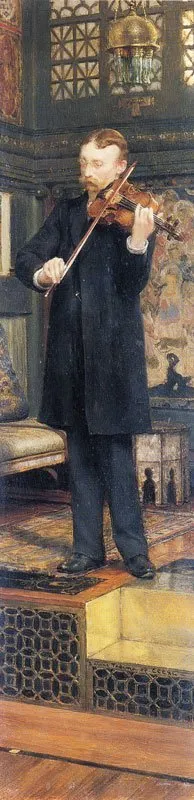
Of all the musical portraits, Opus 340 is the most intimate. It doesn't show a hero posing. It shows a musician working. It shows a man lost in the act of playing, standing right there in the studio, as if he had just dropped by for a Tuesday evening and picked up his bow.
This is the story of the friend who stayed when the crowds went home.
When Alma Tadema Heard the Dutchman
Why did Alma Tadema paint him?
Perhaps it was the Dutch connection. Both men were expatriates in London. Alma Tadema had left his native Friesland to become the most famous painter in England; Sons had left the Netherlands to teach and play.
There is a specific comfort in meeting someone who speaks your language when you are far from home. When they spoke, they likely slipped into Dutch—the language of childhood, of windmills, of the flat horizons they both knew. In the high-society world of Victorian London, Maurice Sons represented a piece of the past. A grounding wire.
Or perhaps it was the violin itself.
Sons owned a Guarneri del Gesù made in 1741. In the world of violins, there are Stradivari (bright, brilliant) and there are Guarneri (dark, guttural, powerful). Paganini played a Guarneri. It is an instrument for those who want to dig into the earth.
Alma Tadema would have appreciated this. He was a painter of textures—marble, fur, silk. He understood the difference between the bright sound of a Strad and the rich, textured grain of a Guarneri.
We can imagine the scene. The Tuesday guests have thinned out. The "Paddymania" crowds are chasing someone else. And in the quiet of the studio, Maurice Sons lifts his 1741 violin and plays something simple.
And Alma Tadema, sitting in his favorite chair, closes his eyes and listens to the texture of the sound, painting it in his mind before he ever picked up a brush.
The Portrait: Alma Tadema's Snapshot
The painting (Opus 340, 1896) feels like a snapshot.
Most Victorian portraits are stiff. The sitter looks at the painter. The painter looks at the sitter.
But here, Sons is looking at his violin. He is playing. The background is the studio itself—the famous semi-circular exedra bench is visible.
Alma Tadema captures the movement of the bow arm. The concentration of the brow. He isn't painting "Maurice Sons, the Famous Violinist." He is painting "Music in My Studio."
It feels like a private moment made public. It suggests that Sons was a fixture—a "house violinist" who didn't need a special invitation. He was part of the furniture of the life Alma Tadema had built.
What Alma Tadema Valued
In a world obsessed with celebrity, this portrait is a quiet rebellion.
Alma Tadema could have painted anyone. He knew princes. He knew Tchaikovsky. He knew the most famous people in the world.
But in 1896, he chose to paint Maurice Sons.
It tells us that Alma Tadema valued consistency over fame. He valued the steady friend over the flashing star. He valued the music that filled his home on a rainy Tuesday more than the music that filled the Royal Albert Hall.
Maurice Sons may be a mystery to history. But he was no mystery to the artist. He was the sound of home.
The Teacher
Sons went on to become a revered teacher. He taught at the Royal College of Music for decades. His legacy lived on in his students, in the orchestras he led, in the quiet discipline he instilled.
He wasn't a firework. He was a hearth.
And Alma Tadema, the painter of marble and light, understood that sometimes, the most important light is the one that burns steadily in the corner.
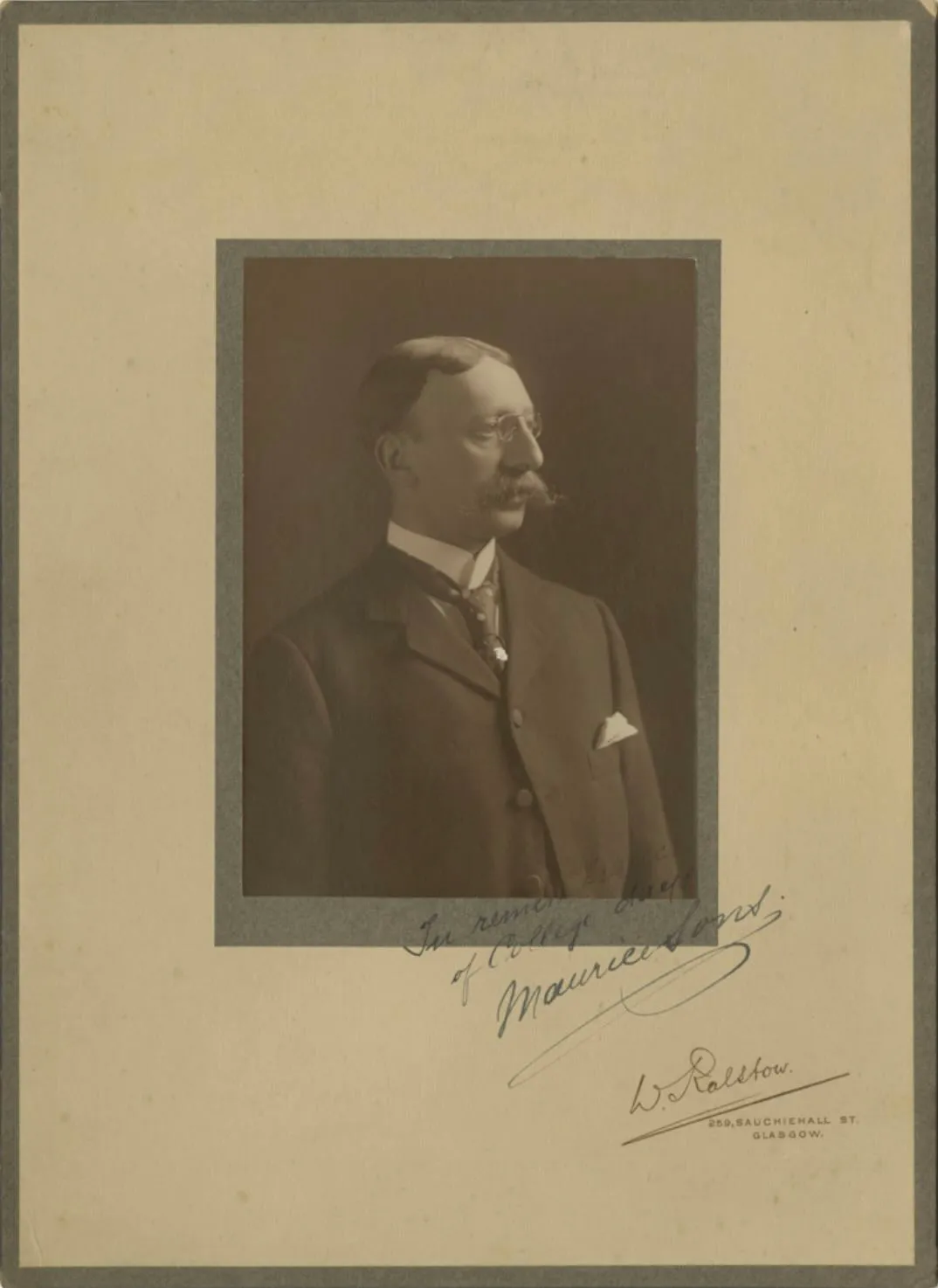
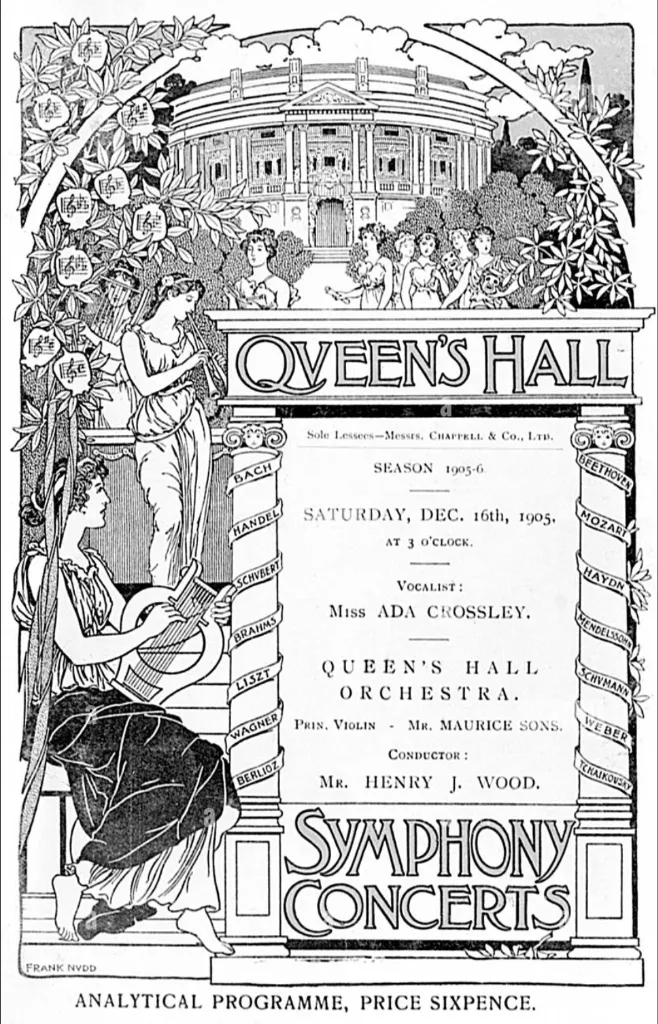
(Did you know Maurice Sons played a violin worth more than $16 million? Read the story of the Vieuxtemps Guarneri here.)
Leave a Visiting Card
Consulting the visiting cards...