
It is 1870. In London, the fog is thick and yellow, curling around the gas lamps of Townshend House. Inside, the studio is a sanctuary of controlled light and Roman marble. But on a table, amidst the sketchbooks and classical props, lies a different kind of window—one that reveals the untold story of the Alma Tadema brothers who left Europe behind.
It is an album. The cover is worn, the binding stiff. Inside, there are no togas, no cool atriums, no roses of Heliogabalus.
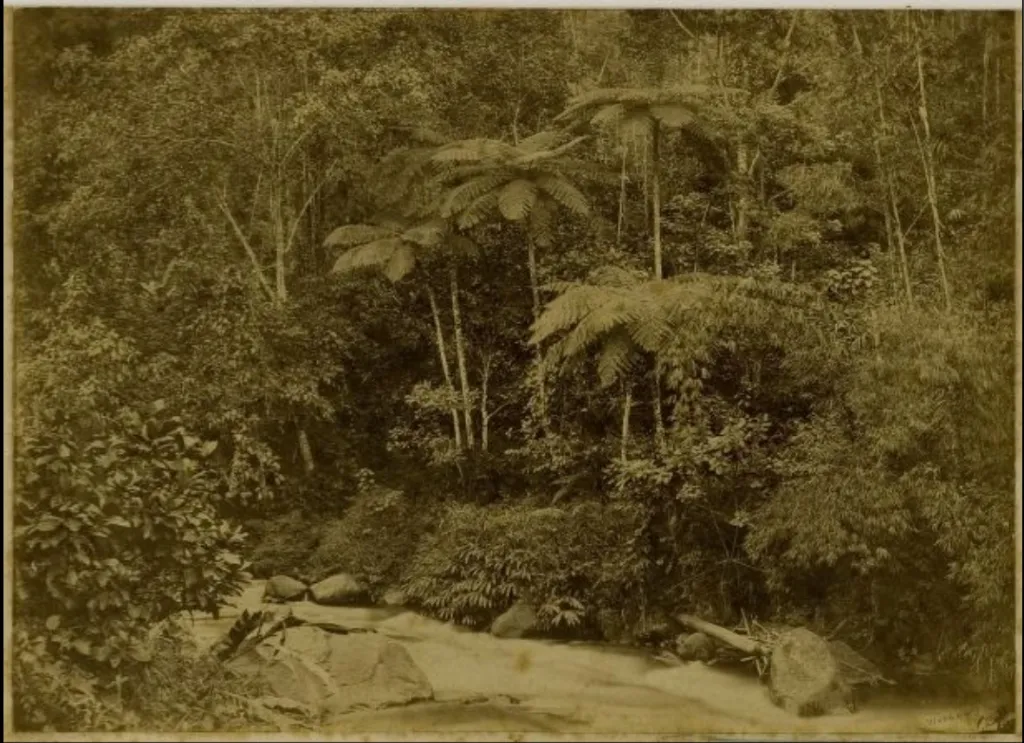
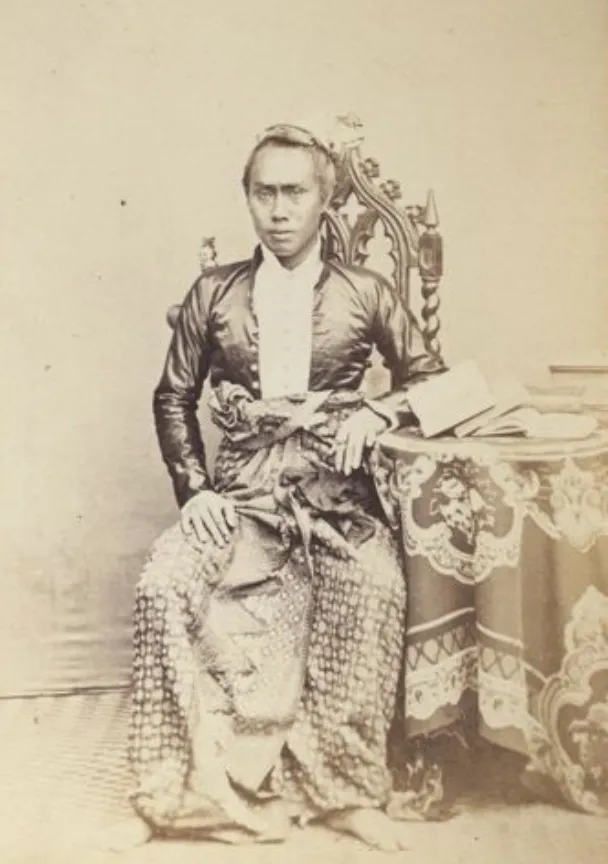
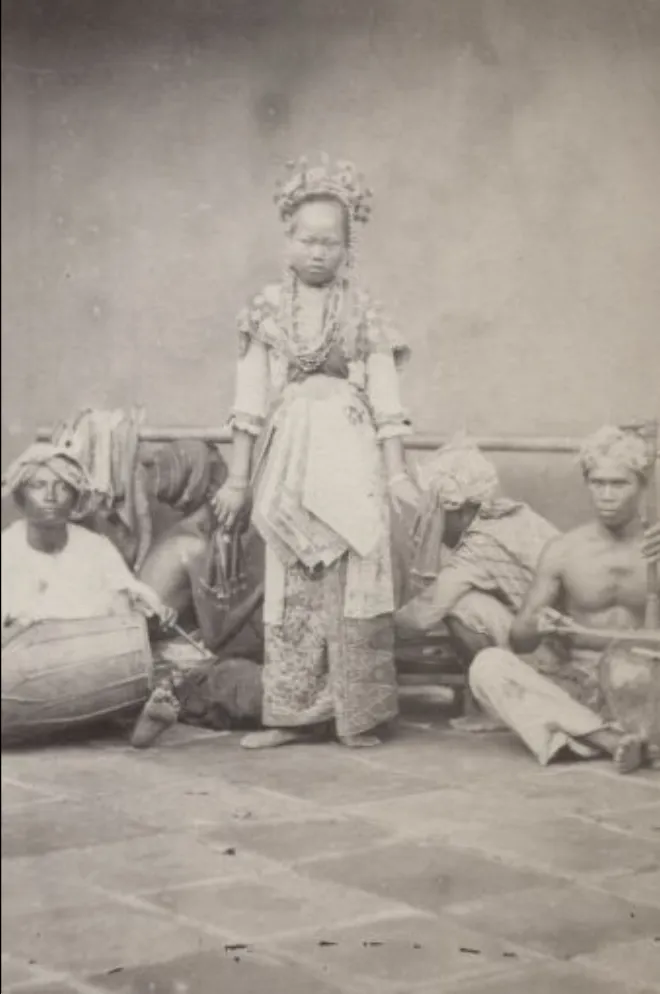
Instead, there is the fierce humid heat of the tropics. Palm trees reflected in still water. The "Rajah of Boeleleng" sitting alone in regal isolation. A "Batavian dancer" posing with her orchestra, captured in the stillness of a long exposure.
This is Album 3: Photographs of Java Indonesia, housed today in the Cadbury Research Library in Birmingham. For decades, it was a curiosity—why would the painter of Rome own a collection of tropical views?
The answer lies not in art, but in blood.
The Story of the Alma Tadema Brothers
We often think of Lawrence Alma-Tadema as a solitary genius, drifting from the Netherlands to Belgium to London. But he was the youngest of a large, fractured family. While Lawrence stayed in Europe to fight tuberculosis and critics, his two older half-brothers—sons of his father's first marriage—looked further afield.
They looked to the Dutch East Indies.
Jelte Zacharias Tadema (1827–1865) was the first. A lawyer of sharp intellect, he established himself in Surabaya, East Java. He was a Procureur, a man of the law in a wild colonial frontier. He died young, at 37, in the hill station of Malang—a city of cool air and apple orchards where the Dutch fled to escape the coastal heat. He lies there still, likely in the soil of the old European cemeteries.
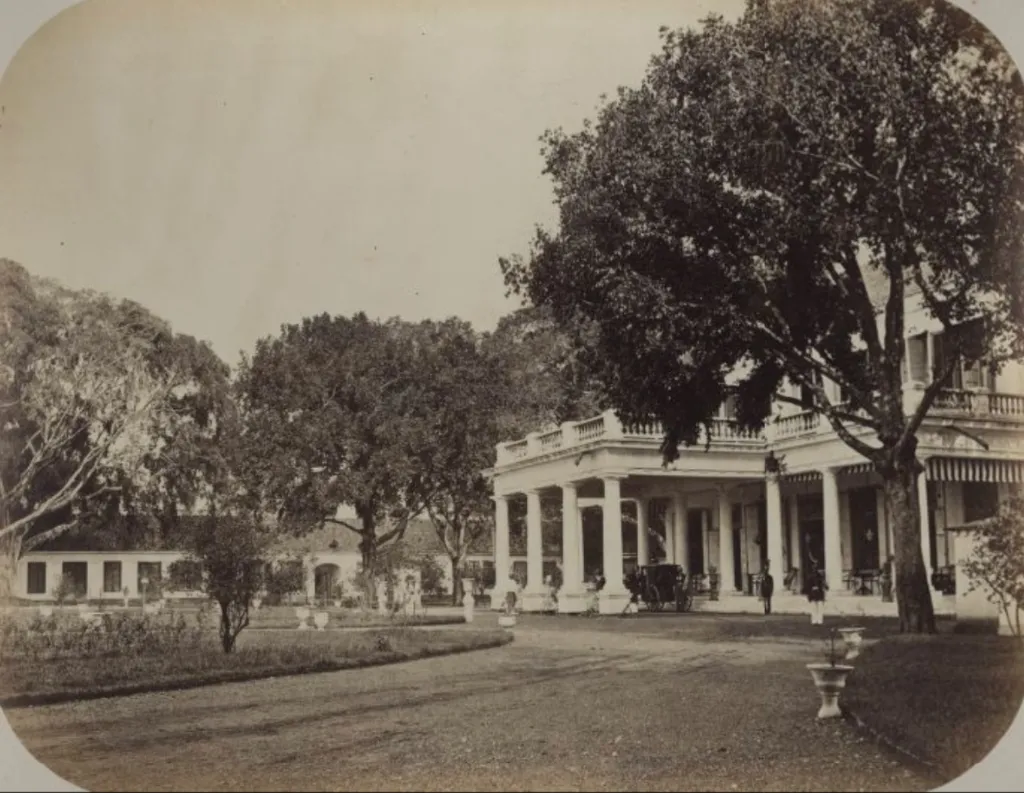
Wopke Tadema (1829–1900) followed a similar path but rose higher. He became a member of the Raad van Justitie (Council of Justice) in Semarang, Central Java. For decades, while Lawrence was painting the fall of the Roman Empire, Wopke was enforcing the laws of the Dutch Empire. He lived in the "Little Netherlands" of Semarang's Kota Lama, a world of white-washed colonnades that strangely mirrored the Roman fantasies his brother was painting in St John's Wood.
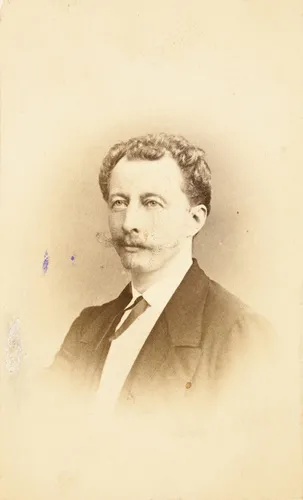
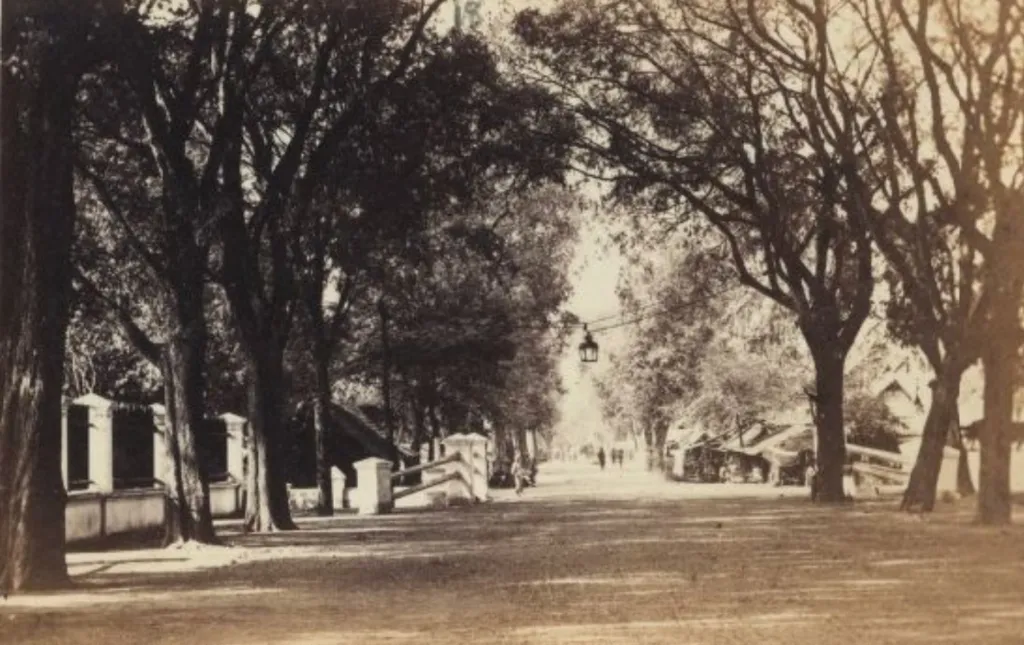
The Letter from Surabaya
The connection between the Alma Tadema brothers was never severed. In the Fries Museum, there is a small, intimate pencil drawing by Lawrence from 1858. It depicts his mother, Hinke, and his sister Artje. They are not posing. They are reading.
The title tells us everything: Artje Reading a Letter from Wopke.
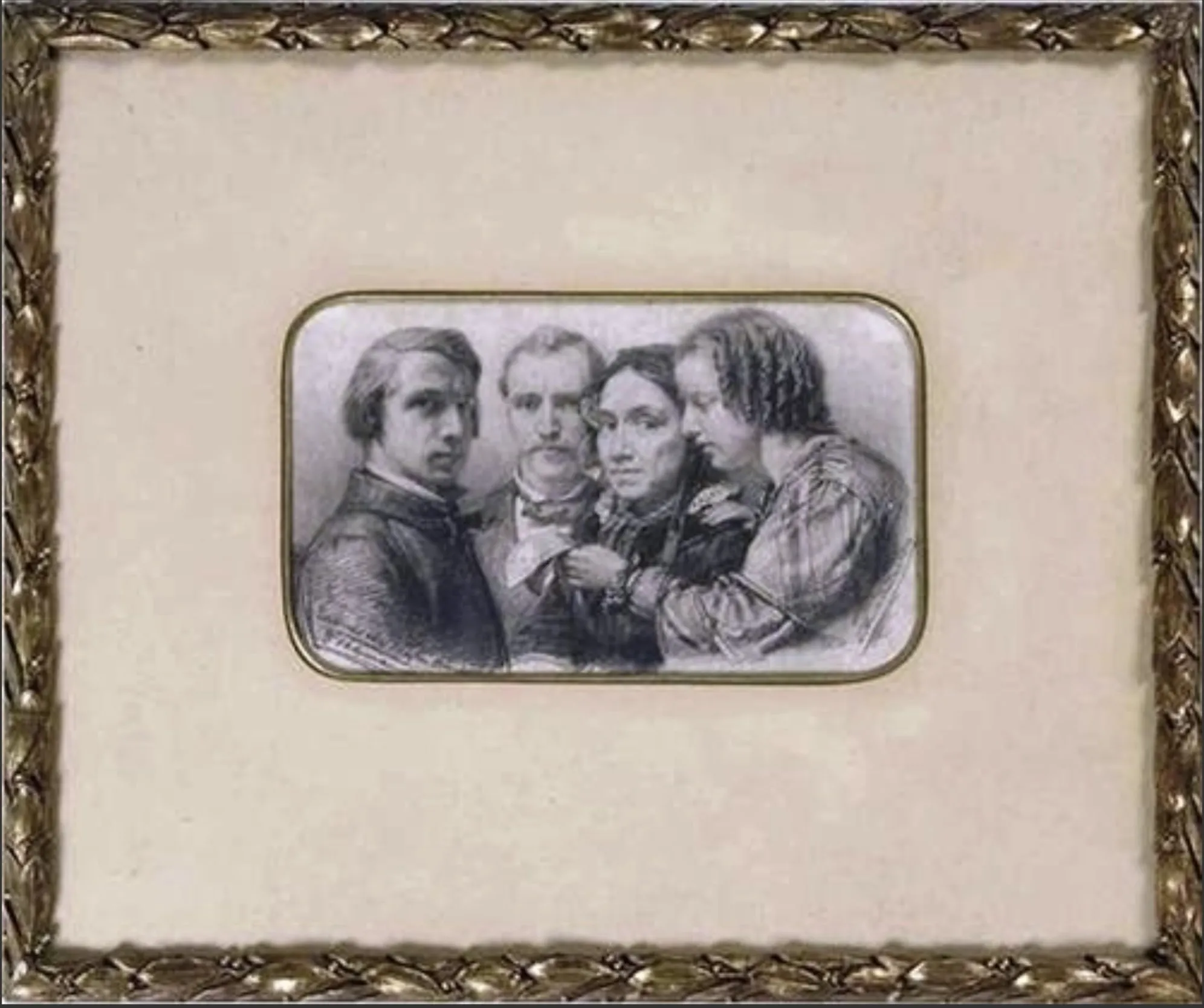
It is a moment of suspended time. The letter in Artje’s hand has travelled thousands of miles, carried by steamship around the Cape or overland across the isthmus of Suez, bringing news of humidity, of strange laws, of a brother living in a world they could barely imagine.
The Mystery of Album 3
Which brings us back to the album in Birmingham.
The handwritten date on the front page is 31 March 1870. This date is pivotal. It is the year Lawrence moved to London. It is five years after Jelte died in Malang.
Did Wopke send it? Wopke returned to Europe briefly in 1865 for health reasons. Did he bring these photographs with him? Did he hand them to his younger artist brother, saying, "This is where I live. This is what the light looks like on the other side of the world"?
The photographs themselves—"Rajah of Boeleleng," "Batavian Dancing Girl"—match the commercial inventory of Woodbury & Page, the premier studio in Batavia (Jakarta) at the time. These were not tourist trinkets; they were high-quality, expensive albumen prints.
A Tale of Two Empires
There is a poetic symmetry here. Lawrence Alma-Tadema spent his life recreating the Roman Empire—a dead civilization of white stone and blue skies. His brothers spent their lives serving the Dutch Empire—a living, breathing colonial machine of spice, coffee, and tropical heat.
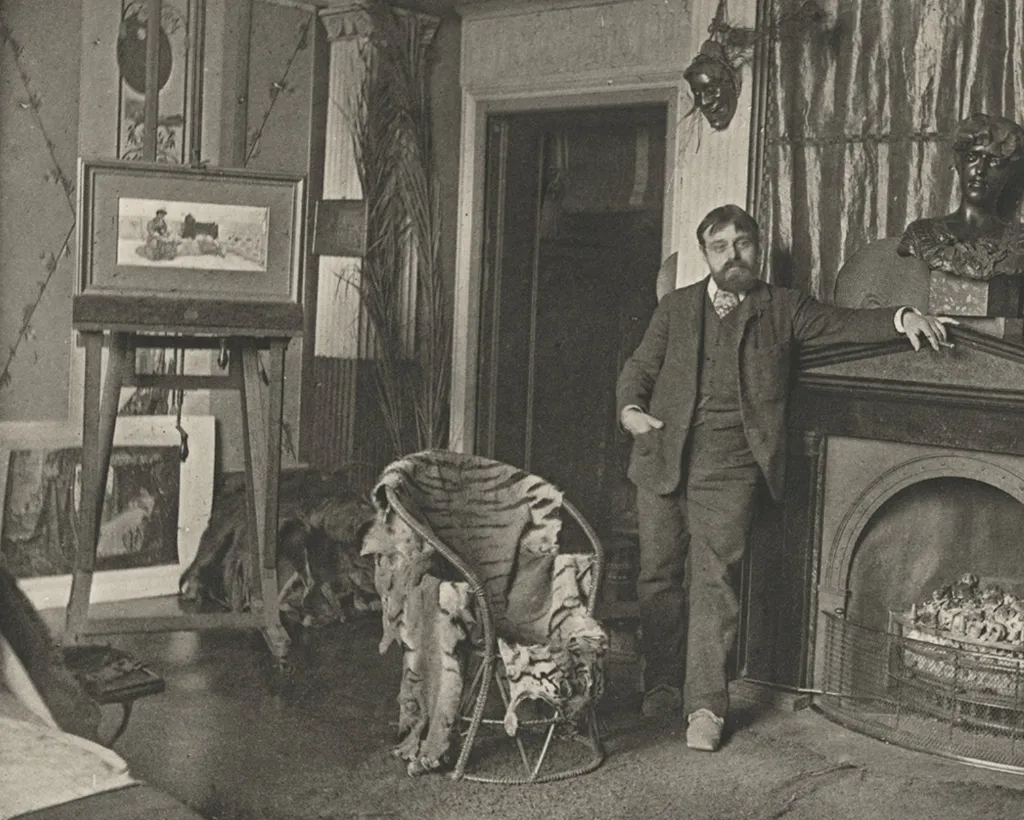
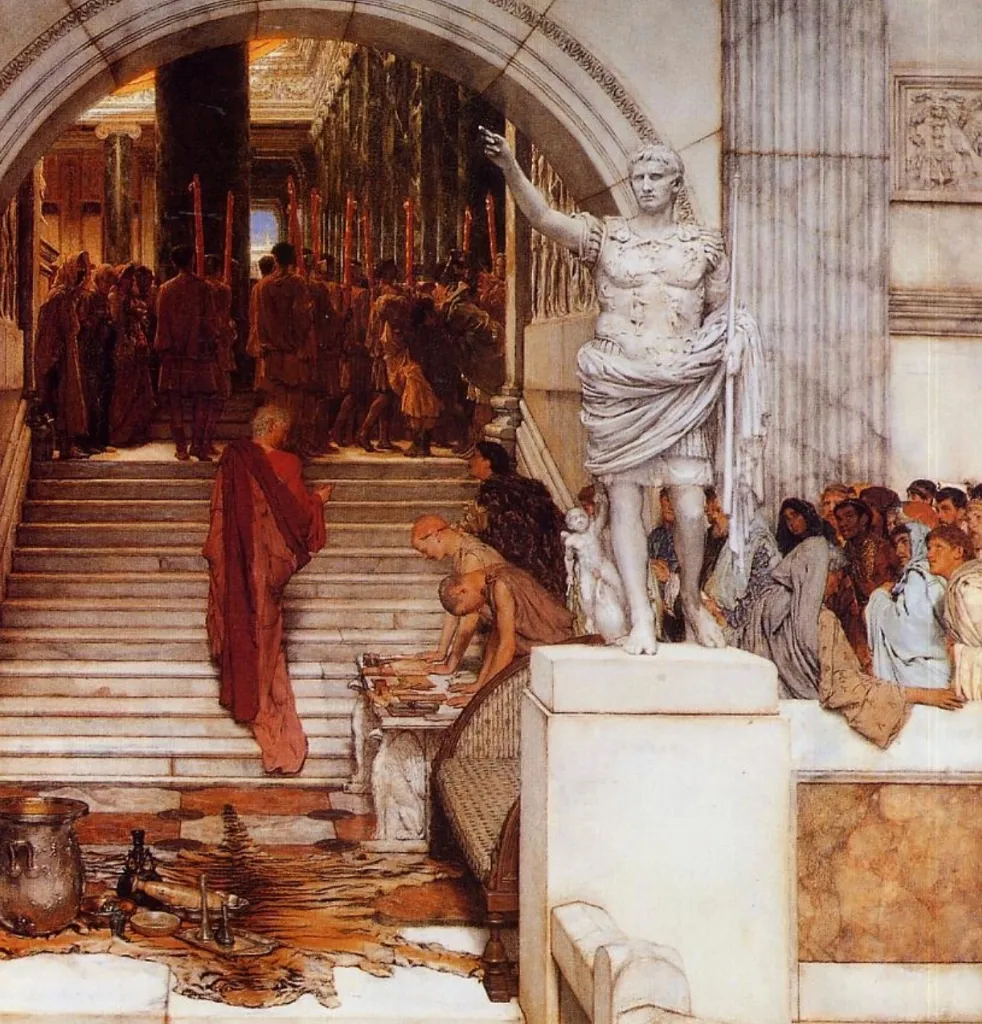
One visual echo remains tantalizing. Tadema was famous for his masterful painting of tiger and leopard skins, draping them over marble benches in Rome. While most Victorian artists bought these from London furriers, the Javan Tiger and Leopard were abundant in the 19th century, often hunted by colonial officials. Did the skins that ended up in a Roman bathhouse in St John's Wood begin their journey in the jungles of Semarang—a texture sent by a brother who knew Lawrence's obsession with surface?
Jelte died in the heat. Wopke survived it, only to die the same year Lawrence was knighted by Queen Victoria. Two brothers in the emerald earth of Java; one brother in the gold of the Royal Academy.
Yet in the quiet corner of a Birmingham archive, their worlds finally meet. The painter of light and the brothers of the tropics are bound together not by fame, but by a faded album of photographs—a testament to the family that stretched across the globe to find its fortune.
Leave a Visiting Card
Consulting the visiting cards...